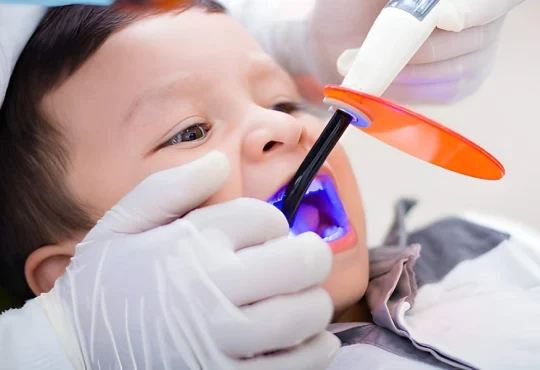






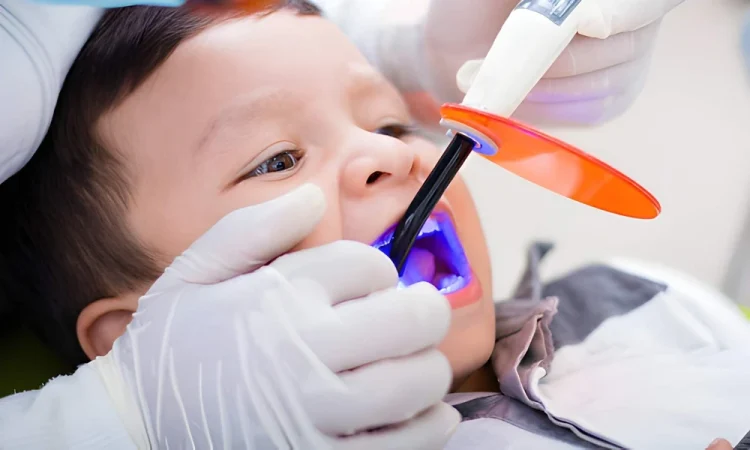
Keeping your child’s teeth healthy can feel like a full-time job sometimes. Between school lunches, occasional sugary treats, and busy family schedules, cavities can sneak up faster than many parents expect. The good news is that modern preventive dentistry offers simple ways to reduce that risk, and dental sealants are one of the most effective options available. Studies and pediatric dental professionals widely recognize sealants as a valuable tool for protecting children’s teeth from decay.
Families looking for a good pediatric dentist Placentia, CA can visit Children’s Happy Teeth. They offer the best preventive dental services such as sealants, fluoride treatments, routine exams, and other kid-focused care designed to support healthy smiles from an early age. The practice emphasizes creating a comfortable environment where children can develop positive dental habits.
What Are Dental Sealants?
Dental sealants are specifically designed coatings that shield the chewing surfaces of molars and premolars. These back teeth often contain narrow grooves where food debris and cavity-causing bacteria can collect. Since toothbrush bristles may often fail to reach these areas properly, sealants offer an added protection layer against tooth decay.
Once applied, a dental sealant forms a protective layer over the chewing surface of the tooth. This barrier seals off deep grooves and tiny crevices where food particles, plaque, and bacteria often collect, making it harder for cavities to develop and helping keep children’s teeth healthier for longer.
Why Are Molars More Vulnerable?
Molars do most of the heavy chewing. Their uneven surfaces make them excellent at grinding food, but not so great when it comes to staying clean.
Common reasons molars are cavity-prone include:
- Deep grooves that trap food
- Difficulty reaching every surface with a toothbrush
- Increased exposure to plaque and bacteria
- Frequent consumption of sugary snacks and drinks
Because of these factors, many pediatric dentists recommend sealants soon after permanent molars erupt.
How the Sealant Process Works
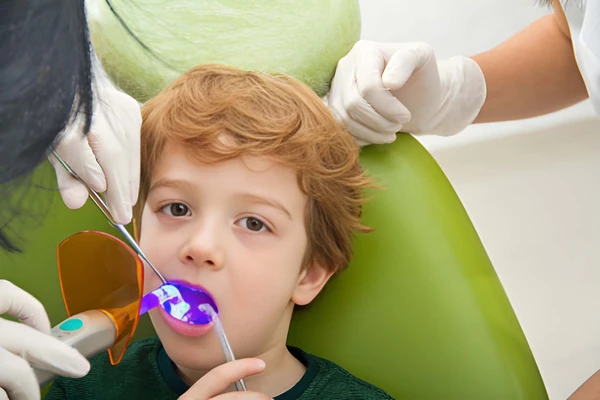
One thing that most parents often worry about is whether the procedure will be uncomfortable. Thankfully, it is quick and non-invasive.
The typical process involves:
- Cleaning and drying the tooth
- Preparing the surface for bonding
- Applying the sealant material
- Allowing it to toughen and form a defensive shield
The application generally takes only a few minutes for each tooth. Kids can generally return to normal activities right away.
Benefits offered by Dental Sealants
Sealants offer several advantages for growing smiles:
- Help prevent cavities before they start
- Protect areas that are difficult to brush
- Support long-term oral health
- Reduce the likelihood of more extensive dental treatment later
- Work alongside fluoride and regular cleanings for added protection
They are simple, but honestly, they can make a big difference.
A Smart Step Toward Cavity Prevention
While no treatment can replace good brushing, flossing, and regular dental visits, dental sealants provide an extra layer of defense where children need it most. Combined with healthy habits and routine preventive care, sealants can help keep young smiles strong, comfortable, and cavity-free for years to come. Parents who invest in prevention today may save their children from unnecessary dental problems down the road.

Complete vs Partial Dentures: Which Option Is Right for Different Dental Needs

Finding the right tooth replacement matters. A healthy smile supports daily comfort. The right choice improves clear speech. It also...

What to Expect During the Invisalign Treatment Process

Invisalign has become a popular orthodontic treatment option for people who want to straighten their teeth without traditional metal braces....
What Cambridge Families Should Know About Preventing Dental Emergencies


Dental emergencies can occur unexpectedly and often cause significant discomfort and stress for families. Issues such as severe toothaches, broken...