





Dental clinics are not only places for routine checkups and treatments, but they must also be prepared to handle sudden medical emergencies. These situations can happen without warning and may involve serious health risks. Being prepared and knowing how to respond quickly can emergency dentist help protect patients and even save lives.
Medical emergencies in dental settings can range from fainting and allergic reactions to breathing problems and heart-related issues. Many patients feel anxious during dental visits, which can sometimes trigger these conditions. In addition, certain dental procedures or medications may cause unexpected reactions, especially in people with existing health conditions.
The most important step in handling any emergency is recognising the signs early. Symptoms like dizziness, sweating, difficulty breathing, chest pain, or sudden weakness should never be ignored. Acting quickly can prevent the situation from becoming more serious. Dental teams are trained to stay calm and follow a clear plan when such events occur.
Preparation plays a key role in managing emergencies. Every dental clinic should have a well-organised emergency plan. This includes clearly assigned roles for each team member, proper communication, and easy access to emergency equipment. Regular practice drills help the staff stay ready and confident in handling different situations.
A basic approach used during emergencies focuses on checking circulation, airway, and breathing. This helps identify life-threatening problems quickly. Equipment like oxygen supply, blood pressure monitors, and automated devices for heart emergencies should always be available and in working condition.
Allergic reactions are another serious concern. These can happen due to medications, materials, or even latex. Symptoms may come with swelling, rash, or difficulty breathing. Immediate treatment is required to control the reaction and prevent it from becoming life-threatening.
Breathing problems, such as asthma attacks or airway blockage, also need quick attention. Helping the patient sit upright, providing oxygen, and clearing the airway are important steps. In severe cases, emergency medical services must be called without delay.
Patients with certain health conditions, such as diabetes or heart problems, require extra care. Low blood sugar can cause confusion or fainting and should be treated quickly by giving sugar if the patient is conscious. Heart-related symptoms like chest pain require immediate attention and emergency support.
Dental clinics must also keep essential medicines ready for emergencies. These may include medications for allergies, breathing issues, heart problems, and low blood sugar. Staff should know how to use these medicines correctly and safely. After handling an emergency, proper documentation is important. Recording what happened, the treatment given, and the patient’s response helps improve future care and ensures safety standards are maintained.
Preventing emergencies is better than managing them. This can be done by reviewing the patient’s medical history, checking vital signs, and reducing stress during treatment. Creating a calm and comfortable environment can also lower the risk of sudden health issues.
In conclusion, handling dental emergencies safely requires preparation, quick thinking, and proper training. By staying alert and following the right steps, dental professionals can manage emergencies effectively and ensure the safety and well-being of their patients.

Complete vs Partial Dentures: Which Option Is Right for Different Dental Needs

Finding the right tooth replacement matters. A healthy smile supports daily comfort. The right choice improves clear speech. It also...


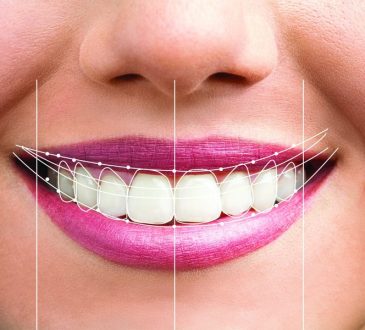
What to Expect During the Invisalign Treatment Process

Invisalign has become a popular orthodontic treatment option for people who want to straighten their teeth without traditional metal braces....
What Cambridge Families Should Know About Preventing Dental Emergencies


Dental emergencies can occur unexpectedly and often cause significant discomfort and stress for families. Issues such as severe toothaches, broken...