






Metal braces are something that everybody can immediately imagine when they look at them the icy little squares on the tooth, the thin wires shine when a person laughs, and the slight metallic clicking of the braces on the teeth when making adjustments. I once recall sitting in a waiting room, hearing the soft hum of dental tools and feeling strangely nervous, even though it was not my dental appointment. It is amusing that something so minor can seem to be such a big step in life.
If you have been searching for metal braces Charlotte NC, there is every possibility that you may come across Selden Orthodontics. They tend to describe that the modern metal braces are absolutely different from the thick ones that people visualize from many years back. The modern versions are smaller, smoother, and more comfortable.
They are not merely interested in straightening teeth, but also in correcting the bite and jaw movements, and even in basic activities such as chewing or speaking articulately. Therefore, it is not merely cosmetic, but a useful health material as well.
What metal braces actually are
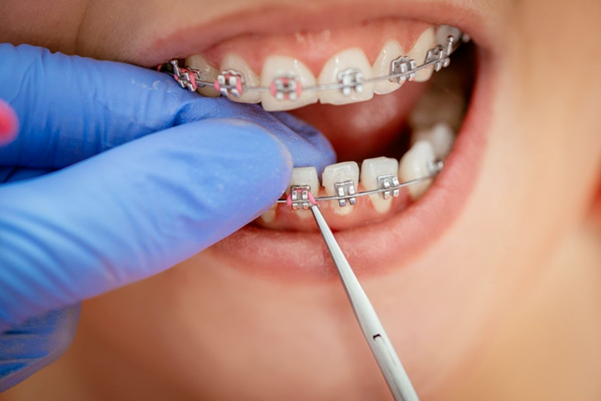
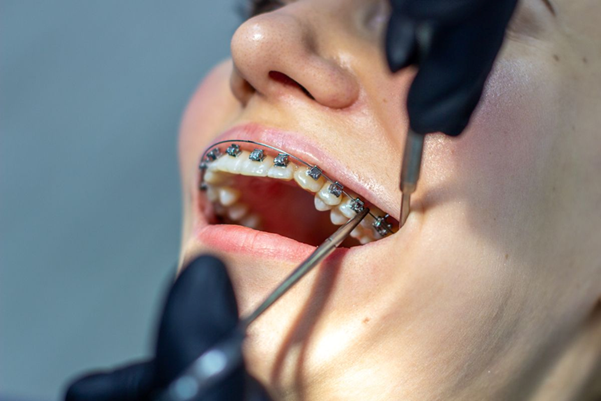
Fundamentally, metal braces are orthodontic appliances that are typically composed of very strong stainless steel. They are attached to the front side of the teeth, and once attached, they are linked together by a thin wire that provides gentle, continuous pressure. Gradually, not immediately, this gentle power will bring teeth into more favorable, healthier positions and can correct the position problems.
The system itself is surprisingly simple:
- Brackets: These are tiny metal pieces bonded to each tooth
- Archwire: It is the thin wire guiding movement
- Elastic ties: These are small bands holding the wire in place
Together, these parts create gentle, consistent pressure that gradually shifts teeth over time. It is slow. Sometimes frustratingly slow. But very precise.
Why do people still choose them?
Even with clear aligners becoming popular, metal braces remain widely used. And honestly, it is easy to see why once you understand their benefits.
They are often chosen because they:
- Handle complex alignment issues effectively
- Are strong and long-lasting
- Provide consistent, controlled tooth movement
- Works well for severe crowding or bite problems
Orthodontists also have more control with metal braces, which makes them suitable for a wide range of dental concerns.
The not-so-fun parts
- They are more noticeable than clear options
- Teeth may feel sore after adjustments
- Cleaning around brackets takes extra effort
- Sticky or crunchy foods can become tricky
Still, most people adapt surprisingly fast. After a few weeks, the routine starts to feel normal.
Final thoughts
In the end, metal braces are kind of like the reliable classic of orthodontics. Maybe not the flashiest choice, maybe not invisible, but steady and dependable. They quietly do their job day after day, slowly guiding teeth into healthier positions.
And when the treatment finally ends, that moment of seeing a straight, balanced smile makes all those small inconveniences feel pretty worth it.


Complete vs Partial Dentures: Which Option Is Right for Different Dental Needs

Finding the right tooth replacement matters. A healthy smile supports daily comfort. The right choice improves clear speech. It also...


What to Expect During the Invisalign Treatment Process

Invisalign has become a popular orthodontic treatment option for people who want to straighten their teeth without traditional metal braces....
What Cambridge Families Should Know About Preventing Dental Emergencies


Dental emergencies can occur unexpectedly and often cause significant discomfort and stress for families. Issues such as severe toothaches, broken...