






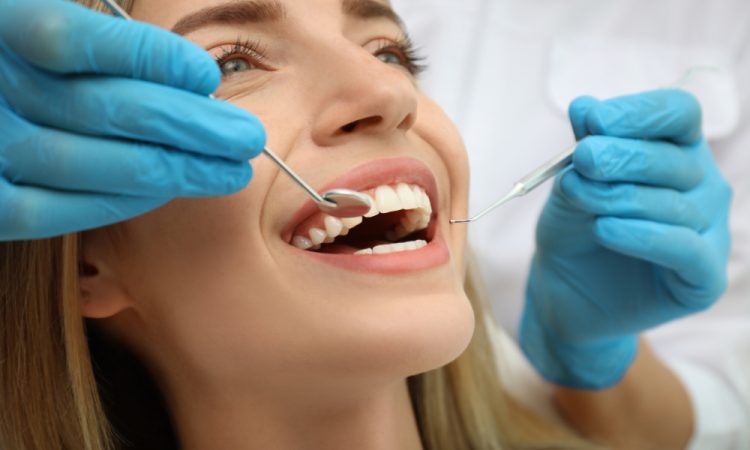
Younger is Better: When to Take Your First Visit.
Professionals advise parents to have their children visit a dentist at an early age when the first tooth comes out or not later than when the child turns one year old. Early dental check-ups ensure the dentist of the appropriate growth of the mouth and will help prevent possible problems at an early stage before they escalate.
Choose the Right Dentist
A dentist who is skilled in handling children will prove to be effective. Many families looking for a dentist in aliso viejo benefit from providers who understand how to talk in a manner that makes young patients feel relaxed. When a child-friendly provider understands this, he/she is able to establish a friendly environment that is playful in nature.
Talk About It Positively
The way you speak of the visit to the dentist is important. Use positive, encouraging words, and do not use words that can provoke fear. Reading books or watching videos about the characters visiting the dentist can also contribute to familiarising the idea and making it exciting.
Play Pretend Dentist at Home
At home, role-playing could be a way of making the actual visit much less threatening. Switch between being a dentist and a patient with a toothbrush or toy tools. Allow your child to exercise by opening his or her mouth and counting teeth, and ask him/her to act out that she is inspecting the smile of a favourite stuffed animal.
Make the Appointment at the Right Time.
The time of the day you choose to visit the child can enhance the cooperation and mood of your child. Early mornings when children are refreshed and alert, tend to work well with young children. You should not visit during naps, or when your child may be fatigued, hungry, or grumpy, because a great deal of anxiety and resistance may result.
Go to the Office of Dentist Before the Appointment.
Familiarity reduces fear. Assuming you can do it, go with your child to the dental office prior to the actual appointment. Allow them to learn about the waiting room and see the employees. A little prior visit makes them familiar with the sights, sounds, and people so that the actual visit will not be as strange and uncomfortable as before.
Pack Comfort Items
Carrying a favourite toy or blanket or stuffed animal may bring some comfort in an unknown environment. Household items will make children feel safe and relaxed, particularly when anxious.
Stay Calm and Positive
Children are concerned with the temperament of their parents. When you remain calm and supportive, then most probably your child will feel safe. Be jovial, comforting and praise them when they do good things. Do not communicate about your own fears of dentists, children can pick up on cues of anxiety.
Reward Their Bravery
Commendation should follow the visit with some minor reward like stickers, extra playtime or a special activity. Positive reinforcement can make your child relate dental care to pleasant experiences, however, you need to select rewards that will aid in dental health and not sweet stuff.
Educate on Dental Health
Make it clear and simple why going to the dentist is important using simple age-friendly words. Make them realise that the dentist would keep their teeth strong and healthy. This creates an intent and collaboration where your child becomes able to become an active part of their oral health.
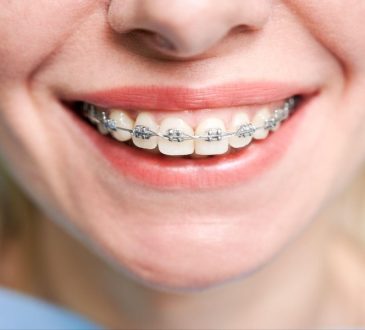
Common Myths People Believe About Metal Braces

IntroductionInformation about braces varies widely across personal experiences, online content, and informal advice. Conversations with friends or quick online searches...
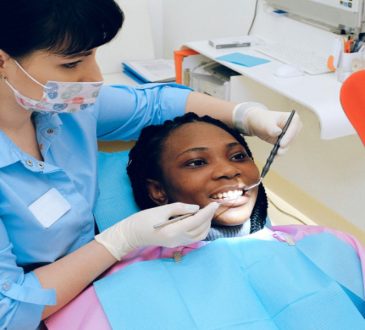
Decoding Dental Anxiety: Strategies for Calm Patient Experiences

The dental chair often triggers deep fear for many people. This intense anxiety prevents patients from seeking essential oral healthcare....
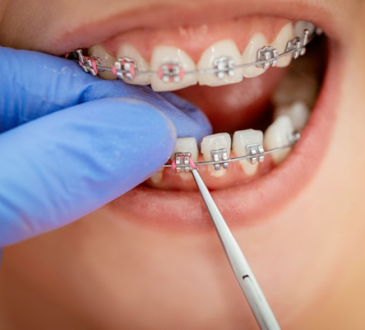
A Short Guide on Metal Braces

Metal braces are something that everybody can immediately imagine when they look at them the icy little squares on the...
How Pedodontics Prevent Major Issues from Happening?


Pedodontics, sometimes referred to as pediatric dentistry, is a specialty area of dentistry that focuses on children's dental health from...