






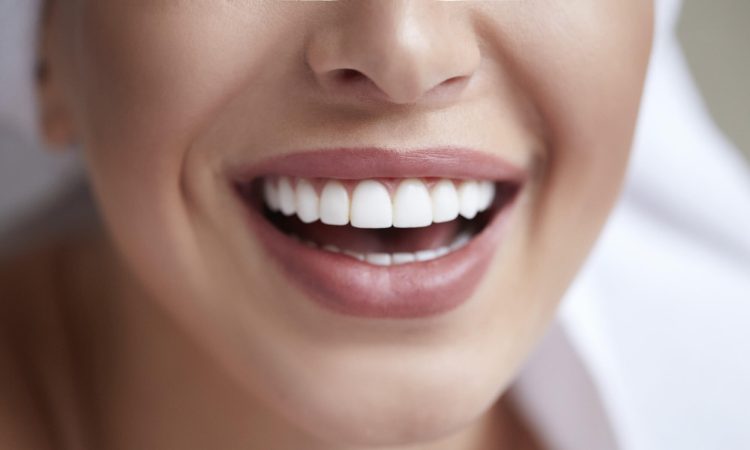
Veneers have become one of the most popular aesthetic dental answers. They improve your smile by directing imperfections like stains, cracks, spaces, and disarranged teeth. Although when selecting the right facade form, the resolution often boils down to two crucial choices: compound and porcelain. Each substance has merits and demerits, making choices an important aspect in attaining the selected outcome. In this lead, we will provide a detailed contrast of the compound and porcelain facade, inspecting their differences in terms of merit, durability, aesthetic appeal, and more.
Define facade?
Facades are slim shells and personalized shields that are put on the external part of your teeth to replace their look and realistic appearance. These veneers are designed to match the patient’s real teeth shade, shape, and size ending in a flawless and pretty smile, which is why many people search for a trusted dentist near me when considering veneer treatment. It is utilized for multiple issues, involving stains, damage, cracks, space, and misaligned teeth, offering patients an enduring smile to attain their desired smile. It improves your appearance and possesses permanence and opposition, making it a fashionable option.
Compound veneer.
Compound veneer or composite is a variety of aesthetic dental veneer made from the shade of your tooth resin substance that is applied directly to your teeth. To enhance the look of teeth by fixing problems such as stains, minor damage, spaces, or tiny misalignments. Compound veneers are usually put in one dental visit and are more manageable than porcelain veneers.
Appealing procedure.
The dentist put in a compound resin straight to the tooth’s front exterior, forming and molding it to attain the desired look. The resin is put in layers, and each layer is toughened, or healed, with a particular light. The dentist can construct the facade to the right thickness and form. Once the facade is created, your dentist will polish the bottom to give it a gentle, real shine that imitates the look of real teeth.
Merits of compound veneers.
Composite or compound veneers are usually less pricey than porcelain veneers, making them a more affordable choice. Unlike porcelain needing multiple visits, the procedure is often finished in one visit. In this process, less tooth enamel is also taken away than with porcelain veneers, safeguarding a more natural tooth structure. Because the least enamel removal is needed, compound facades are usually considered adaptable.
What are the demerits of compound veneers?
Composite veneer is less hard and durable than porcelain, making it more prone to damage and wear. Compound veneers are also more prone to discoloration from foods, beverages, and smoking, so they may need more frequent touch-ups or substitution. With actual care, compound veneers usually last up to five to seven days, compared to porcelain veneers, which can last ten to fifteen years or more.

Complete vs Partial Dentures: Which Option Is Right for Different Dental Needs
Finding the right tooth replacement matters. A healthy smile supports daily comfort. The right choice improves clear speech. It also...


What to Expect During the Invisalign Treatment Process

Invisalign has become a popular orthodontic treatment option for people who want to straighten their teeth without traditional metal braces....

What Cambridge Families Should Know About Preventing Dental Emergencies


Dental emergencies can occur unexpectedly and often cause significant discomfort and stress for families. Issues such as severe toothaches, broken...