








Start With the Basics
The basic steps are typically three: Cleansing, moisturising and sun protection. Cleansing removes dirt, sweat and excess oil from the skin, whilst moisturising helps to maintain the barrier function and prevent excess dryness. Sun protection during the day also helps to minimise the impact of UV rays on skin, such as sun damage and premature ageing.
Using dermatologist skin care advice as a guide can make it easier to develop a routine that is both practical and appropriate for your skin. Rather than relying on complicated routines or constantly changing products, it is helpful to focus on gentle cleansing, regular moisturising, daily sun protection, and products suited to your individual needs. Paying attention to how your skin responds can also help you identify when a product should be adjusted or when professional guidance may be beneficial.
Choose Products Based on Your Skin
No one routine fits all. The skin may be oily, sensitive, acne-prone, combination or dry, and these types can vary throughout the year. Don’t pick a product because it’s a hit, think about your skin. For instance, dry-skin individuals will require a lot more focus on moisturization while oily-skin individuals will prefer light formulations.
Keep Cleansing Gentle
A common mistake is assuming that a stronger cleanser will provide better results. If too much cleaning is done or too heavy a scrubbing, natural oils can be stripped off and skin irritation can occur. Move slowly and don’t use hot water. The goal is to remove dirt without leaving the skin dry, tight or uncomfortable.
Avoid skipping moisturiser!
Moisturiser is useful even when the skin is oily. Staying hydrated helps to keep the skin barrier intact and keeps it moist and non-irritating. Moisturising after cleansing can help to hold moisture, especially if the skin is a little damp.
Make sun protection a habit each day.
Spending a day at the beach should be a time to be mindful of sun protection, not just on holidays. A broad-spectrum sun cream with an SPF of 30 or more is the usual sun cream to use on exposed skin. Additional protection may be offered if extended periods are spent outdoors by reapplying, taking cover, wearing protective clothing, and wearing hats.
Introduce Treatments Slowly
If you have any issues you would like to improve, like acne, pigmentation, uneven texture or signs of aging, add those treatments slowly. Multiple active ingredients may be more likely to irritate. The single approach of adding one treatment at a time also helps distinguish the effect of the treatment on your skin and determine if it is helpful or detrimental.
Take the time to give your routine a boost.
The benefits of skin care will not come overnight. Frequent product changes can make determining which products are actually effective challenging. Allow the routine time to work unless there is a lot of irritation or an adverse reaction. It is much better to have one consistent set of products than a big product line.
Be aware of warning signs
However, redness that does not go away, intense itching, acne problems, changes in pigmentation, unusual moles or wounds that are not healing should not be considered a cosmetic issue. These changes can be evaluated by a dermatologist to decide if medical treatment is necessary.
Don’t forget, that simple can be effective.
The objective of skin care is to try to maintain the health, protection and comfort of the skin, not to make it perfect. A relaxed, basic cleansing, moisturising, sun protection and treatment regimen can set a solid base. Most of all, pay attention to your skin, don’t try any experiments, and consult a professional if you have any doubts.

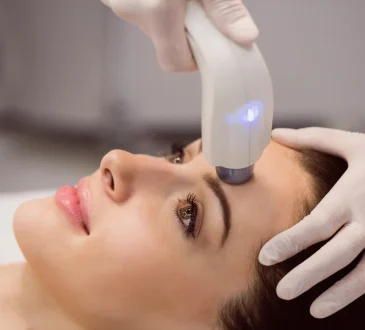
How to Choose the Right Laser Treatment for Your Skin Type

Lasers have become one of the most talked about options for skin concerns, from pigmentation and acne scars to fine...

4 Things to Know Before Starting Acne Scar Treatment

Key HighlightsAcne scar revision is a gradual process that usually requires several sessions to achieve optimal results.Different types of scars,...
Why Ellanse 少女針 Delivers Natural Youthful Results

少女針 is one of those names that sells itself before you even understand what's actually happening biologically it promises something...

5 Simple Tips to Boost Your Dissolvable Thread Lift Results Effectively Today


Key TakeawaysChoosing a non-surgical lifting procedure offers a shorter recovery time compared to traditional surgical options. Proper post-treatment care is...