




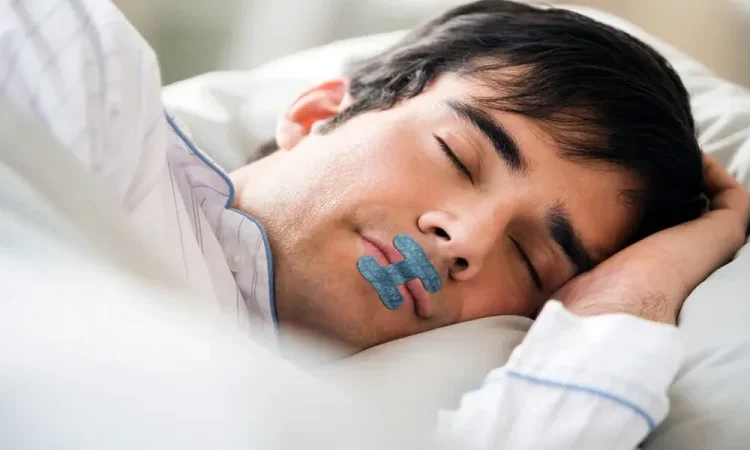
People mouth-breathe constantly. At work. Whilst walking. Throughout the day. But night is when it matters most. At night, your body needs proper respiration. Needs oxygen flowing efficiently through the nasal passages. Needs the protective mechanisms your nose provides. Instead, most people sleep with their mouths open. Breathing cold, dry, unfiltered air directly into their lungs. Their body never relaxes. Never truly rests. The nervous system stays partially activated. Defensive. Alert. This is why so many people wake up completely destroyed despite being in bed for hours. Mouth tapes seem like a strange solution. Taping your mouth shut. It sounds wrong. Feels counterintuitive. Yet it addresses something fundamental that nothing else does. It prevents the mouth breathing that’s sabotaging sleep.
What Mouth Breathing Actually Does
The body has a hierarchy of priorities. Survival comes first. Comfort comes later. When you mouth-breathe at night, your body interprets this as a threat. Cold air. Dry air. Unfiltered air. These signal danger to your nervous system. Your body responds by staying vigilant. Shallow breathing patterns. Light sleep only. Never deep restoration. Your brain keeps you partially conscious. Ready to respond to whatever threat the body perceives. This protective mechanism made sense thousands of years ago. Now it’s just ruining sleep. Nasal breathing is completely different. Warm air. Filtered air. Humidified air. Your body recognises this as safe. Relaxation happens. Deep sleep follows naturally. Tapes force this switch by making mouth breathing physically impossible. Your body has no choice but to breathe properly.
The Surprising Discoveries
People using tapes notice things beyond sleep improvement. Their jaw tension disappears. They stop grinding their teeth at night. Their throat feels less dry. Their sinuses are clear. These aren’t separate problems. They’re all connected to mouth breathing. Mouth breathing creates tension in facial muscles. Creates dryness in the mouth and throat. Creates sinus irritation. Fixing the root cause-the mouth breathing-fixes everything downstream. People are shocked by how many problems are resolved simultaneously. They assumed each issue needed separate treatment. Actually, one intervention addresses everything because they all stem from the same source. This interconnection reveals how fundamentally mouth breathing disrupts your entire sleep system.
Why Resistance Reveals Truth
When people first hear about tapes, resistance is immediate. The idea feels uncomfortable. Invasive. Wrong. This resistance is actually revealing. It shows how much your body wants to mouth-breathe. How dependent you’ve become on improper breathing patterns. Your nervous system is fighting against proper respiration because it’s unfamiliar. This isn’t a weakness. It’s proof that the solution addresses something real. Something your body is actively resisting change in. That resistance disappears within days once the benefits become obvious. Your body adapts quickly to proper breathing. The anxiety fades. Sleep improves. Everything shifts. The very resistance people feel is confirmation that they’ve identified the actual problem.
The Missing Piece Most Solutions Ignore
Sleep experts focus on timing. Darkness. Temperature. Mattress quality. All valid. But they miss something crucial. You can have perfect conditions and still sleep terribly if you’re breathing through your mouth. No amount of darkness or cool temperature fixes mouth breathing. Your nervous system stays activated. Sleep stays shallow. That’s why so many people try everything, and nothing works. They’re optimising everything except the fundamental issue. Mouth tapes address what’s actually preventing sleep. The breathing pattern. Once that’s fixed, everything else becomes effective. This is why results feel miraculous to people. They finally removed the actual obstacle.
How Sleep Architecture Transforms
Your brain cycles through sleep stages during the night. Light sleep. Deep sleep. REM sleep. Mouth breathing interrupts these cycles. You get stuck in light stages. Never reaching restorative phases. Never consolidating memories. Never allow your body to repair itself. When mouth breathing stops, your sleep architecture normalises. Your brain can cycle through stages properly. Deep sleep becomes accessible. REM sleep becomes deeper. Your mind finally processes emotions and experiences from the day. Your body finally heals itself. Dreams become vivid because you’re reaching REM properly. This isn’t a subtle improvement. This is a fundamental restoration of what sleep is supposed to do. People experience the difference immediately and dramatically.
Why Other Interventions Fall Short
Sleep aids attempt to force relaxation chemically. Meditation attempts to calm your mind consciously. Both miss the point entirely. Your body can’t truly relax when it’s mouth-breathing because the nervous system interprets that as a threat. Meditation won’t fix physiological breathing dysfunction. You’re trying to think your way out of a breathing problem. It doesn’t work. Tapes work because they address the actual mechanism preventing sleep. They’re not forcing relaxation. Not overriding your nervous system. They’re simply allowing your body to function properly. Once breathing normalises, everything else follows naturally. This is why the solution is so effective. It’s addressing the root cause, not treating symptoms.
Conclusion
Mouth breathing at night keeps your nervous system in constant low-level alert, preventing deep restorative sleep. Mouth tapes force nasal breathing, allowing your body to finally relax and access genuine rest. The initial resistance dissolves quickly once people experience improved sleep quality and the cascading benefits that follow. Jaw tension releases. Teeth grinding stops. Throat dryness disappears. Sleep transforms from exhausting to restorative. This simple intervention addresses the root cause rather than treating symptoms, which is why results are so dramatic and consistent.

What You Are Paying For When Choosing Private Nursing Homes

Important PointsCosts reflect continuous staffing, personalised care, and daily attention across every routine.Living spaces include upkeep, safety features, and shared...

How NTUC Income Panel Specialists Simplify Surgery Claims

Key HighlightsNetwork surgeons provide pre-negotiated fees that protect policyholders from unexpected medical bills.Approved letters of guarantee remove hefty upfront cash...
8 Warning Signs That May Accompany Abdominal Pain
Abdominal discomfort is common and can develop after overeating, indigestion, stress, or a temporary stomach upset. In many cases, it...

Key Considerations Around Returning to Normal Activities after Surgery


While milestones and timing tips provide a general roadmap, safely returning to your routine requires looking at the deeper physical...