






Introduction
Dentures are removable dental appliances used to replace missing teeth and restore the function and appearance of the mouth. They help individuals eat, speak, and smile with confidence. Modern dentures are designed to look natural and fit comfortably, making them a common solution for people who have lost some or all of their teeth-while still remembering the importance of having access to an emergency dentist near me for urgent dental needs.
Types of Dentures
Full dentures are used when all the teeth in the upper or lower jaw are absent.These dentures rest on the gums and are designed to match the natural shape of the mouth.
They help fill the gaps and are supported by the existing teeth. This type of denture not only improves appearance but also prevents the remaining teeth from shifting.
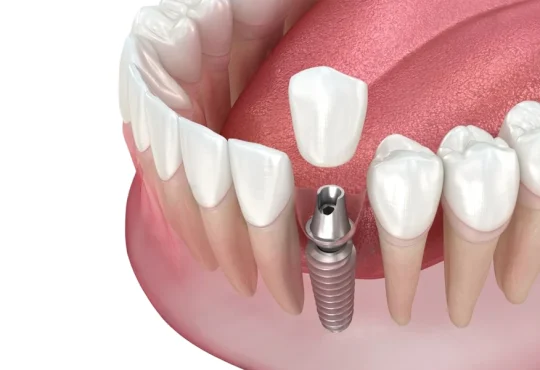
Another option is implant-supported dentures. These are attached to dental implants placed in the jawbone, offering better stability and support. They are less likely to move while eating or speaking, making them more comfortable for many users.
Immediate dentures are also available and are placed soon after tooth removal. They allow individuals to maintain their appearance during the healing period, although adjustments may be needed later.
Benefits of Dentures
Dentures provide several important benefits. They restore the ability to chew food properly, which is essential for good digestion and overall health. They also help improve speech by allowing clearer pronunciation of words.
Additionally, dentures help support the facial muscles, preventing the face from looking sunken due to missing teeth. They enhance the overall appearance of a smile and boost confidence. With proper fitting, dentures can be both comfortable and effective in daily use.
Maintenance and Care Tips
Taking proper care of dentures is important to keep them in good condition. Dentures should be removed and cleaned daily with a soft brush and an appropriate cleaning solution. These help remove food particles and prevent the buildup of bacteria.
Dentures must be handled with care to prevent any damage.When not in use, they should be kept in water or a denture solution to maintain their shape. If dentures are allowed to dry out, they can become brittle and may no longer fit properly.
Maintaining oral hygiene is also essential. Regular cleaning of the gums, tongue, and any remaining teeth is essential for maintaining good oral hygiene. Regular dental check-ups are important to ensure that dentures fit properly and do not cause irritation.
Conclusion
Dentures are an effective solution for replacing missing teeth and improving both function and appearance. With various types available, individuals can select the option that best meets their needs. Proper care and maintenance help ensure comfort, durability, and long-term use. By following simple hygiene practices, denture users can maintain oral health and enjoy a confident and healthy smile.

Complete vs Partial Dentures: Which Option Is Right for Different Dental Needs

Finding the right tooth replacement matters. A healthy smile supports daily comfort. The right choice improves clear speech. It also...


What to Expect During the Invisalign Treatment Process
Invisalign has become a popular orthodontic treatment option for people who want to straighten their teeth without traditional metal braces....
What Cambridge Families Should Know About Preventing Dental Emergencies


Dental emergencies can occur unexpectedly and often cause significant discomfort and stress for families. Issues such as severe toothaches, broken...