






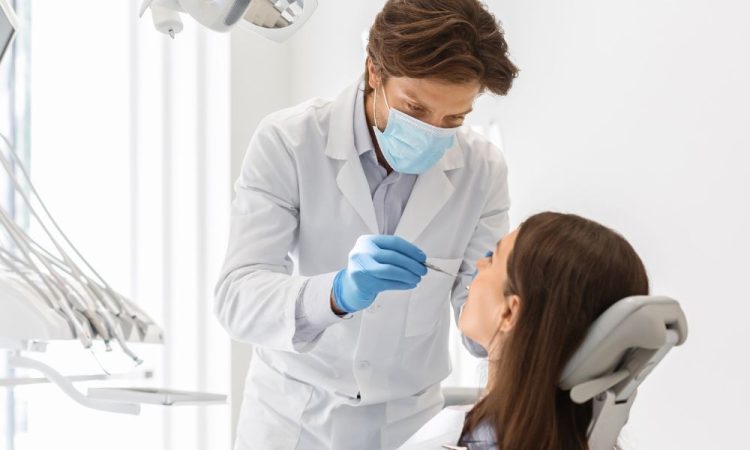
Periodontal care is devoted to the health of your teeth, gums, and the structures that support the teeth. Periodontal disease, or gum disease, is a common condition that can lead to tooth loss if not treated, but it is manageable with proper care. It is important to understand how to prevent it in order to maintain long-term oral health-along with regular visits to a smile dental provider for consistent check-ups and treatment.
What Is Gum Disease?
Periodontal disease is a disease of the tissues covering and supporting your teeth. It usually starts with gingivitis, which is a mild disease that is characterised by reddening and swelling of the gums and may also bleed when brushing. Otherwise, it may develop into periodontitis, which is a more serious condition in which teeth are loosened by the destruction of the bone and connective tissue.
Causes of Gum Disease.
Plaqueing the sticky film of bacteria on the teeth is the main cause of gum disease. Without the removal of the plaque by means of proper oral hygiene, it becomes hardened and turns into tartar that can only be removed by a dentist. Additional contributing factors are:
- Ineffective oral health practices.
- Smoking/tobacco use.
- Hormonal changes
- Diabetes and some medical conditions.
- Genetic predisposition
Early Symptoms to Look out for.
Early signs are also to be recognised to prevent the aggravation of the condition. The warning signs are common, and they include:
- bleeding gums
- Swollen, tender, or red gums.
- Persistent bad breath
- Receding gums
- Loose teeth at later stages.
The disease can be prevented by getting early treatment.
Significance of Daily Oral Hygiene.
Brushing and Flossing
Flossing and brushing your teeth twice a day with fluoride toothpaste are necessary measures to prevent gum disease. The practices are useful in eliminating plaque before it changes into tartar.
Using Antibacterial Mouthwash
Mouthwash has the potential to lower the bacteria in the mouth and maintain the health of the gums in general. It is an effective supplement to your oral care routine.
Professional Periodontal Care
It is important to have dental check-ups and cleaning done by the professionals regularly to ensure healthy gums. Dentists are in a position to extract the accumulation of tartar and identify the early stages of gum disease. In later stages, interventions such as scaling and root planing might be necessary to treat the areas below the gumline and encourage healing.
Protective Lifestyle Habits.
Healthy Diet
A balanced diet with a lot of vitamins and minerals helps in maintaining gum health. Vitamin C and calcium-containing foods are especially useful.
Avoiding Tobacco
Gum disease and retarded healing are greatly enhanced by smoking and the use of tobacco. The cessation of these practices enhances oral and general health.
Managing Health Conditions
Such problems as diabetes may make a person vulnerable to gum disease. The right management of these conditions can ensure the protection of your gums.
Why Prevention Matters
It is less expensive and less complicated to prevent gum disease than to treat it at its advanced stages. Periodontal disease that is not treated may result in loss of teeth and even be associated with other health conditions like heart disease.
Conclusion
Periodontal treatment is a critical aspect of having a healthy smile. Through proper oral health, seeing your dentist and making healthy lifestyle decisions, you are able to prevent gum disease and take care of your teeth in the long run. The secrets to healthy gums in the long run are early re-education and regular care.


Complete vs Partial Dentures: Which Option Is Right for Different Dental Needs

Finding the right tooth replacement matters. A healthy smile supports daily comfort. The right choice improves clear speech. It also...


What to Expect During the Invisalign Treatment Process

Invisalign has become a popular orthodontic treatment option for people who want to straighten their teeth without traditional metal braces....

What Cambridge Families Should Know About Preventing Dental Emergencies


Dental emergencies can occur unexpectedly and often cause significant discomfort and stress for families. Issues such as severe toothaches, broken...