





Dental emergencies can be sudden and painful, leaving many people unsure about when to seek urgent care. Not every dental issue requires an emergency visit, so it’s important to understand what qualifies as a true dental emergency and when immediate attention is necessary.
Severe Tooth Pain
Intense, persistent tooth pain is a common indicator of a dental emergency. Pain that prevents normal activities or sleep may be a sign of infection, tooth decay reaching the nerve, or a damaged tooth. Prompt evaluation by an emergency dentist can help prevent further complications and provide relief.
Knocked-Out or Broken Teeth
A tooth that is completely knocked out due to trauma or broken from an accident is considered an urgent dental issue. Quick action is essential to save the tooth and prevent permanent damage. Patients should carefully preserve the tooth and seek immediate dental care.
Abscess or Swelling
A dental abscess or significant swelling in the gums, jaw, or face may indicate an infection that can spread quickly if untreated. Signs such as pus, fever, or severe tenderness are warning signals that require immediate professional attention to prevent serious health risks.
Loose or Dislodged Dental Work
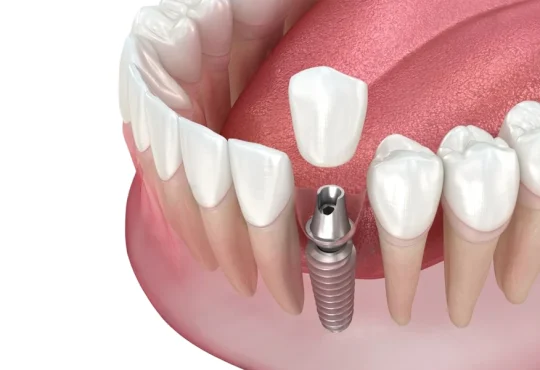
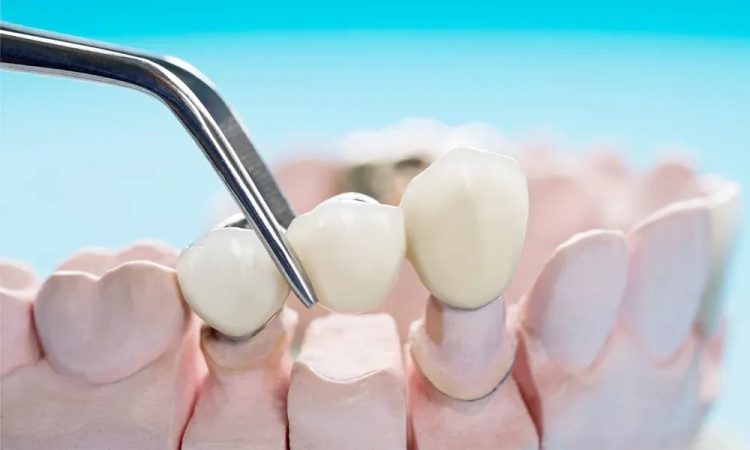
Dental crowns, fillings, or bridges that become loose or fall out unexpectedly can create discomfort and expose the tooth to infection. While not always life-threatening, addressing these issues promptly can prevent more severe dental problems.
Uncontrolled Bleeding
Bleeding from the mouth that does not stop within a reasonable time after injury or a dental procedure is a serious concern. Persistent bleeding may result from trauma, gum disease, or a complication from dental work and requires urgent care.
Orthodontic or Appliance Problems
Severe issues with braces, retainers, or other dental appliances may qualify as emergencies if they cause pain, injury, or damage to teeth or gums. Broken wires, hooks, or appliances causing sores should be addressed immediately to prevent further harm.
When to Seek Professional Care
It is important to contact a dentist as soon as possible if any of these situations occur. Even if you are unsure whether the problem is urgent, a professional evaluation can prevent complications and determine the appropriate course of treatment. Delaying care can result in infection, worsening pain, or permanent tooth damage.
Conclusion
True dental emergencies involve severe pain, trauma, infection, uncontrolled bleeding, or problems that threaten the health of teeth and gums. Recognising these situations allows patients to act quickly, reducing the risk of long-term damage. Being aware of what qualifies as a dental emergency ensures timely care, effective treatment, and better oral health outcomes. Staying prepared and knowing when to seek urgent help can make a significant difference in protecting your smile and overall well-being.

Complete vs Partial Dentures: Which Option Is Right for Different Dental Needs

Finding the right tooth replacement matters. A healthy smile supports daily comfort. The right choice improves clear speech. It also...

What to Expect During the Invisalign Treatment Process

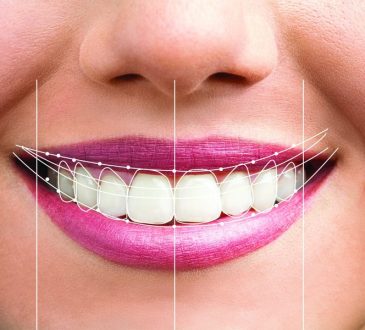
Invisalign has become a popular orthodontic treatment option for people who want to straighten their teeth without traditional metal braces....

What Cambridge Families Should Know About Preventing Dental Emergencies


Dental emergencies can occur unexpectedly and often cause significant discomfort and stress for families. Issues such as severe toothaches, broken...