







Key Takeaways
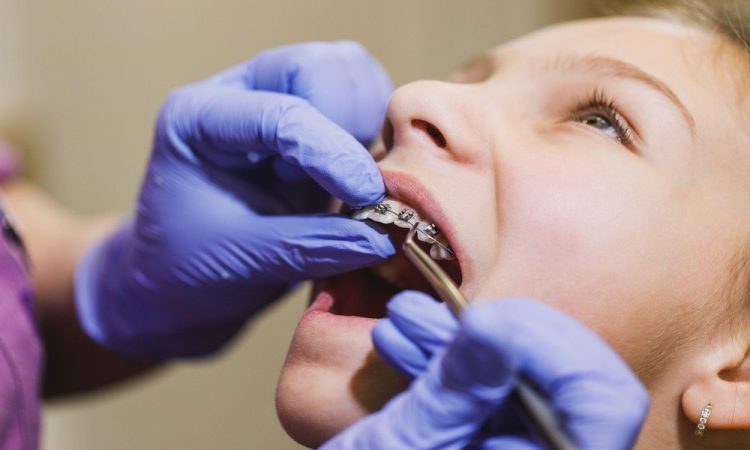
- A pediatric dentist in Singapore determines whether invisible dental braces suit a child’s stage of dental development.
- Invisible dental braces can address more than minor alignment issues when guided by structured treatment planning.
- Regular follow-up visits with a pediatric dentist in Singapore ensure safe progress and effective orthodontic results.
Introduction
Parents considering invisible dental braces for their children can have varying opinions about this type of orthodontic care. Reading up on online views and schoolyard stories can shape expectations long before a consultation takes place, which is why many families turn to a pediatric dentist in Singapore to separate fact from assumption and understand what treatment truly involves. Clear aligner systems have gained popularity because they offer a discreet alternative to traditional braces, yet misconceptions still circulate. Addressing these myths allows parents to make informed decisions based on practical information rather than hearsay.
Myth 1: Invisible Dental Braces Are Only For Adults
Some parents assume invisible dental braces suit working adults more than children. In reality, a pediatric dentist in Singapore assesses each child’s dental development before recommending any orthodontic option. Clear aligners may suit teenagers whose permanent teeth have erupted and who can follow wearing instructions responsibly.
The decision depends on the individual’s dental maturity, where invisible dental braces work effectively for suitable younger patients when guided by a qualified professional. Consulting a pediatric dentist in Singapore ensures that timing aligns with the child’s growth stage and oral health condition.
Myth 2: Invisible Dental Braces Do Not Correct Serious Problems
Another common belief suggests that invisible dental braces handle only minor alignment issues. While some complex cases still require traditional braces, many moderate crowding or spacing concerns respond well to clear aligners. A pediatric dentist in Singapore evaluates jaw development, bite alignment and tooth positioning before determining suitability.
Modern treatment planning tools allow dentists to map out gradual adjustments with precision. Invisible dental braces can manage a range of orthodontic concerns when used under structured supervision.
Myth 3: Treatment With Clear Aligners Is Completely Effortless
Because invisible dental braces remain removable, some parents believe treatment requires little discipline. In practice, successful results depend on consistent wear. A pediatric dentist in Singapore explains that aligners typically need to remain in place for most hours of the day to achieve planned movement.
Children must also maintain oral hygiene and store aligners properly when eating. While invisible dental braces remove dietary restrictions associated with fixed braces, they still demand responsibility. Clear instructions from a pediatric dentist in Singapore help families understand these expectations from the start.
Myth 4: Invisible Dental Braces Cause No Discomfort At All
Parents sometimes assume a painless adjustment with clear aligners. Although invisible dental braces avoid metal brackets and wires, mild pressure often occurs when switching to a new aligner set, indicating that teeth are shifting gradually.
A pediatric dentist in Singapore prepares children for this temporary feeling and explains how to manage it. Most patients adapt quickly and continue daily activities without disruption. Honest discussions reduce anxiety because children know what to expect before treatment begins.
Myth 5: Follow-Up Visits Are Not Necessary
Because invisible dental braces appear straightforward, some families underestimate the need for regular monitoring. A pediatric dentist in Singapore schedules periodic reviews to ensure teeth move according to plan. Adjustments may occur if progress differs from projections.
These appointments also allow the dentist to check oral hygiene and overall dental health. Invisible dental braces function most effectively when paired with ongoing professional oversight. Skipping reviews can delay results or compromise alignment.
Conclusion
Misunderstandings about invisible dental braces can create unnecessary hesitation. Clear aligners can be suitable for children and teenagers when evaluated and monitored by a pediatric dentist in Singapore. Treatment still requires discipline, periodic reviews and realistic expectations about minor pressure during adjustments, which makes it important for parents to separate myth from fact. It is also crucial to evaluate whether invisible dental braces truly align with their child’s dental development and lifestyle. When decisions rest on clear understanding rather than assumptions, families can support a smoother orthodontic journey that leads to healthier smiles over time.
Contact Happy Teeth Family Dental to consult a pediatric dentist in Singapore about invisible dental braces for your child.

Complete vs Partial Dentures: Which Option Is Right for Different Dental Needs

Finding the right tooth replacement matters. A healthy smile supports daily comfort. The right choice improves clear speech. It also...


What to Expect During the Invisalign Treatment Process
Invisalign has become a popular orthodontic treatment option for people who want to straighten their teeth without traditional metal braces....
What Cambridge Families Should Know About Preventing Dental Emergencies


Dental emergencies can occur unexpectedly and often cause significant discomfort and stress for families. Issues such as severe toothaches, broken...