






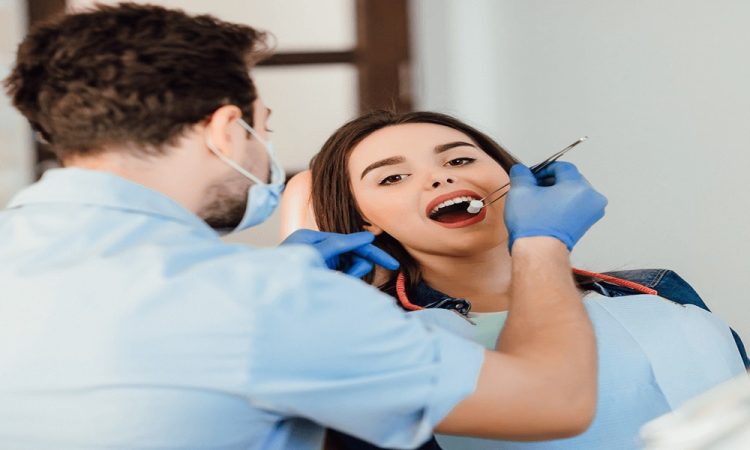
Preventive dentistry focuses on maintaining your teeth and gums healthy before problems begin. Instead of treating dental issues after they appear, this approach helps stop them from developing in the first place. With the right habits and regular dental care, a cpap machine is not related to dental prevention, but can sometimes be discussed in relation to overall health that supports oral wellbeing. With the right habits and regular dental care, you can maintain a healthy smile for many years.
At its core, preventive dentistry includes simple daily practices like brushing and flossing, along with regular dental visits. Brushing twice a day with a soft toothbrush and fluoride toothpaste helps remove plaque and protect enamel. Flossing daily cleans areas between teeth that a toothbrush cannot reach. These habits are important for preventing cavities and gum disease.
Diet also plays an important role in oral health. Eating foods rich in vitamins and minerals, such as calcium and vitamin C, helps strengthen teeth and gums. At the same time, limiting sugary and acidic foods can reduce the risk of tooth decay. Drinking enough water throughout the day helps wash away food particles and bacteria.
In addition to home care, professional dental services are a key part of preventive dentistry. Regular dental check-ups allow dentists to detect early signs of problems such as cavities, gum disease, or enamel wear. Professional cleanings remove plaque and tartar buildup that cannot be removed at home. These visits help keep your mouth clean and reduce the chances of serious dental issues.
Other preventive treatments include dental X-rays, fluoride applications, and sealants. X-rays help identify hidden problems that are not visible during a routine exam. Fluoride strengthens the enamel and makes teeth more resistant to decay. Sealants are protective coatings applied to the chewing surfaces of back teeth to prevent cavities, especially in children and teenagers.
One of the biggest advantages of preventive dentistry is that it reduces the need for complex and costly treatments later. By addressing small issues early, you can avoid procedures like root canals, extractions, or surgeries. This not only saves money but also reduces discomfort and treatment time.
Preventive care is also important for your overall health. Poor oral health has been connected to conditions such as heart disease, diabetes, and infections. Keeping your gums healthy and controlling bacteria in the mouth can lower these risks and support your general well-being.
Another benefit is the confidence that comes with a healthy smile. Clean, strong teeth and fresh breath can improve your self-esteem and make social interactions more comfortable. Preventive dentistry helps you maintain both your oral health and your appearance.
In conclusion, preventive dentistry is a simple yet powerful way to protect your smile for the long term. By combining daily oral hygiene, a balanced diet, and regular dental visits, you can avoid many common dental problems. Taking care of your teeth today ensures a healthier, brighter smile in the future.

Complete vs Partial Dentures: Which Option Is Right for Different Dental Needs

Finding the right tooth replacement matters. A healthy smile supports daily comfort. The right choice improves clear speech. It also...


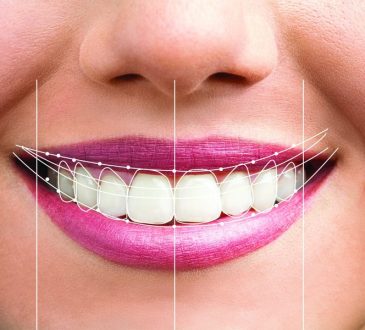
What to Expect During the Invisalign Treatment Process
Invisalign has become a popular orthodontic treatment option for people who want to straighten their teeth without traditional metal braces....
What Cambridge Families Should Know About Preventing Dental Emergencies


Dental emergencies can occur unexpectedly and often cause significant discomfort and stress for families. Issues such as severe toothaches, broken...