




Losing a tooth is more than just a cosmetic concern; it is a significant health issue that can affect your ability to eat, speak, and maintain the structural integrity of your face.
When a tooth is missing, the surrounding bone begins to deteriorate due to a lack of stimulation, and adjacent teeth often tilt into the vacant space. This shifting can lead to a misaligned bite, increased wear on your remaining teeth, and eventual periodontal problems.
Fortunately, modern restorative dentistry provides several sophisticated pathways to replace missing teeth, ensuring that you can regain both the function and the aesthetics of a complete smile.
1. Restoring Strength and Stability with Individual Dental Implants
When addressing the loss of a single tooth, restoring strength and stability with individual dental implants is widely considered the most effective solution available today.
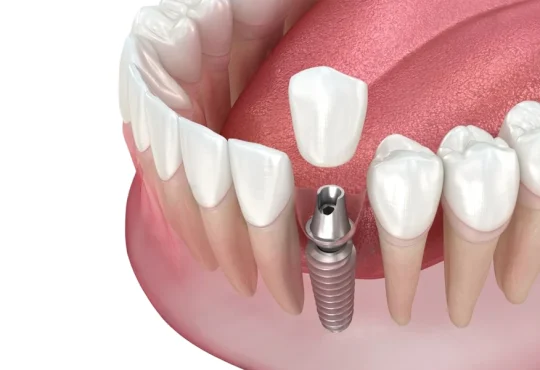
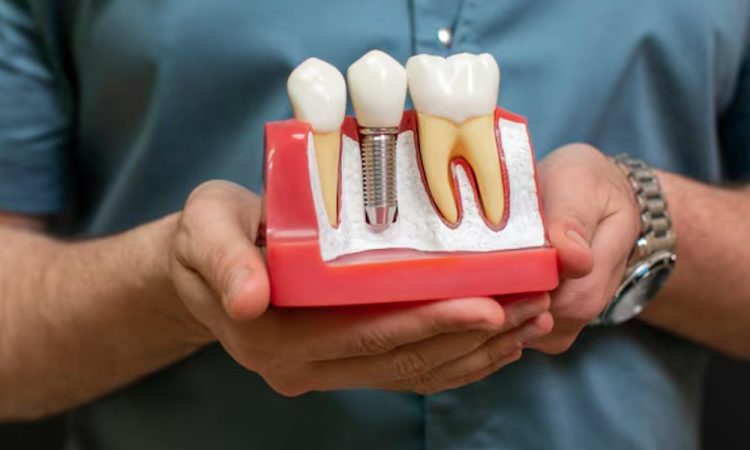
Unlike traditional bridges, which require the grinding down of healthy adjacent teeth for support, an implant is a standalone restoration. It consists of a titanium post that is surgically placed into the jawbone, acting as a synthetic root.
Once the bone has fused with the post, a custom-crafted porcelain crown is attached. This process creates a replacement that looks, feels, and functions exactly like a natural tooth, providing a durable and long-lasting fix.
2. Achieving Total Oral Rehabilitation with Full Dental Implants
For patients who have lost an entire arch of teeth, achieving total oral rehabilitation with full dental implants offers a transformative alternative to traditional removable dentures.
This procedure, often referred to as an implant-supported bridge, uses a series of strategically placed posts to secure a permanent set of teeth. These full dental implants eliminate the common frustrations associated with slipping, clicking, or the need for messy adhesives.
By providing a fixed and stable foundation, this treatment restores the full biting force of a natural smile and helps to preserve the facial contours by preventing the bone resorption that typically follows total tooth loss.
3. The Versatility of Fixed Dental Bridges
Another reliable method for treating missing teeth is the installation of a fixed dental bridge. This restoration uses the healthy teeth on either side of a gap as anchors to support one or more artificial teeth in the middle.
Bridges are a fantastic option for patients who may not be suitable candidates for surgery or those looking for a faster restorative timeline. Modern bridges are made from high-quality ceramics and porcelains, allowing them to blend seamlessly with your natural dentition.
While they do require the modification of anchor teeth, they provide a stable and aesthetically pleasing way to close gaps and restore your smile.
4. Exploring the Benefits of Custom Partial Dentures
In cases where several teeth are missing in different areas of the mouth, exploring the benefits of custom partial dentures can provide a flexible and non-invasive solution.
These removable appliances consist of replacement teeth attached to a gum-colored base, often reinforced with a metal or plastic framework.
Partials are designed to clip onto your remaining natural teeth, preventing them from shifting and filling in the empty spaces. While they require daily removal for cleaning, they are a practical and affordable way to improve chewing efficiency and maintain the alignment of your remaining dental arch.

Complete vs Partial Dentures: Which Option Is Right for Different Dental Needs

Finding the right tooth replacement matters. A healthy smile supports daily comfort. The right choice improves clear speech. It also...


What to Expect During the Invisalign Treatment Process

Invisalign has become a popular orthodontic treatment option for people who want to straighten their teeth without traditional metal braces....
What Cambridge Families Should Know About Preventing Dental Emergencies


Dental emergencies can occur unexpectedly and often cause significant discomfort and stress for families. Issues such as severe toothaches, broken...