






Key Takeaways
- Teeth implant procedures in Singapore restore function, stability, and jawbone health.
- A qualified dentist in Orchard ensures proper planning and structured follow-up care.
- Consistency in hygiene and review appointments determines long-term implant success.
- Small daily habits significantly influence healing and durability.
Introduction
Tooth loss can change bite alignment, alter facial structure, and gradually reduce bone density in the jaw. Restorative dentistry offers solutions that aim to replace missing teeth and preserve long-term oral stability. Among these, teeth implant treatments in Singapore have become a widely considered option for individuals seeking durability and natural function. However, while the surgical placement of an implant is critical, the real determinant of success lies in consistency. From pre-surgical preparation to long-term maintenance, working closely with a trusted dentist in Orchard can make the difference between short-term restoration and lasting results.
Comprehending the Foundation of Teeth Implant Procedures
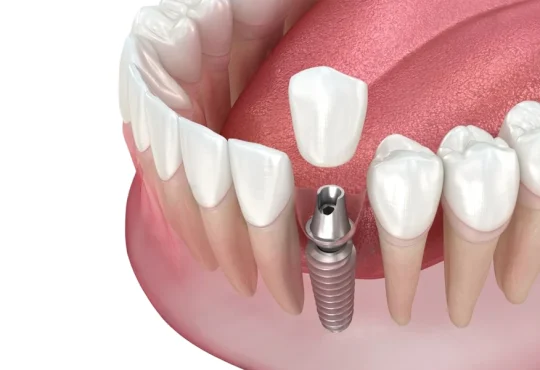
A tooth implant procedure involves placing a titanium post into the jawbone to act as an artificial tooth root. Over time, the surrounding bone integrates with the implant in a biological process known as osseointegration. This fusion creates a stable anchor for the final crown. Osseointegration typically requires several months to achieve optimal stability. During this period, careful monitoring is essential.
A dentist in Orchard will schedule periodic reviews to assess healing, gum health, and bone response through imaging and clinical examination. The predictability of implant success is high when clinical protocols are followed. Long-term success rates are higher in well-maintained cases. Yet those outcomes depend on adherence to professional guidance and daily oral care.
Techniques for Staying Consistent During Recovery
Consistency begins before the procedure itself. Pre-treatment planning may include addressing gum disease, improving oral hygiene habits, or managing underlying health conditions such as diabetes. These preparatory steps create a stable environment for implant placement.
After surgery, patients are usually advised to follow specific instructions regarding brushing techniques, diet adjustments, and activity levels. Soft foods reduce mechanical stress during healing. Gentle rinsing with prescribed solutions supports tissue recovery without disturbing the implant site.
One effective technique for staying consistent is routine scheduling. Booking follow-up appointments in advance ensures regular monitoring. A dentist in Orchard can identify early signs of inflammation or excessive pressure before complications arise.
Using interdental brushes designed for implants helps maintain plaque control around the gum line. Peri-implant inflammation often stems from inadequate cleaning rather than surgical failure. Small, repeated actions therefore protect long-term outcomes.
The Role of Professional Monitoring in Long-Term Stability
Teeth implants in Singapore do not conclude when the crown is placed. During these reviews, dentists evaluate gum health, check implant stability, and perform professional cleaning to remove hardened plaque deposits. Professional monitoring ensures early detection of peri-implantitis, an inflammatory condition that can affect surrounding tissue. When identified early, this condition is manageable.
Delayed intervention, however, may compromise implant longevity. A dentist in Orchard typically integrates implant maintenance into regular dental check-ups, aligning it with broader oral health care. This continuity reinforces consistency without adding complexity to daily life.
Lifestyle Factors That Influence Implant Success
Healing does not occur in isolation from overall health. Smoking, poor dietary habits, and unmanaged systemic conditions can slow bone integration and tissue recovery. Smokers experience higher implant complication rates compared to non-smokers.
Nutritional support also plays a role. Adequate protein intake aids tissue repair. Calcium and vitamin D contribute to bone health. These factors, though overlooked, complement the surgical precision of teeth implant procedures in Singapore.
Physical stress should be moderated during early healing. Avoiding intense chewing on the implant side prevents mechanical strain as osseointegration progresses. Following these recommendations consistently supports predictable outcomes.
Psychological Consistency and Realistic Expectations
Patients anticipate immediate transformation after implant placement. While visual improvements may occur once the crown is fitted, biological healing remains gradual. Understanding this timeline helps manage expectations and reduces anxiety during recovery.
Clear communication with a dentist in Orchard reinforces realistic milestones. Knowing what constitutes normal swelling, mild sensitivity, or temporary gum tightness prevents unnecessary concern. Education empowers patients to distinguish between expected healing signs and symptoms requiring attention. Confidence in the treatment plan encourages adherence to instructions and follow-up care.
Conclusion
Teeth implant treatments in Singapore provide structural stability and restore natural function when supported by consistent care. Surgical precision forms the foundation, but daily hygiene, lifestyle choices, and structured follow-up determine longevity. Working closely with a dentist in Orchard ensures proper planning, monitored healing, and timely adjustments when necessary. Consistency protects both your investment and your oral health. In implant dentistry, long-term success is about steady, informed care that reinforces the strength of each stage in the journey.
Considering the next step? Contact Elite Dental Group and evaluate implant options or plan restorative treatment today.

Complete vs Partial Dentures: Which Option Is Right for Different Dental Needs
Finding the right tooth replacement matters. A healthy smile supports daily comfort. The right choice improves clear speech. It also...


What to Expect During the Invisalign Treatment Process

Invisalign has become a popular orthodontic treatment option for people who want to straighten their teeth without traditional metal braces....
What Cambridge Families Should Know About Preventing Dental Emergencies


Dental emergencies can occur unexpectedly and often cause significant discomfort and stress for families. Issues such as severe toothaches, broken...