





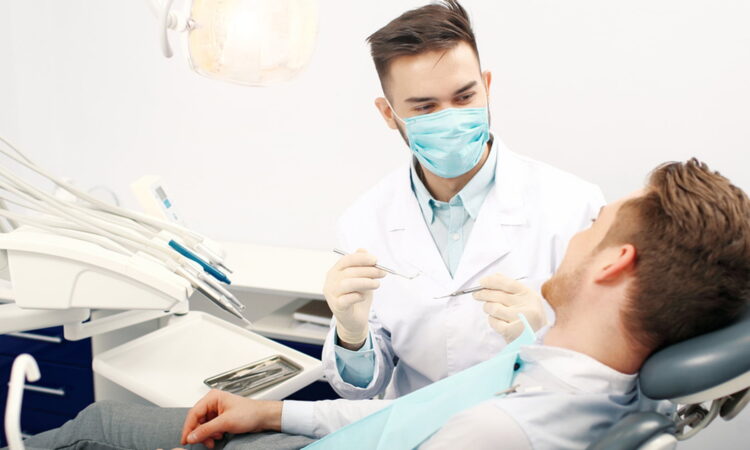
Cosmetic dentistry, also known as aesthetic dentistry, is oral care that enhances the look of your teeth and smile. A cosmetic dentist can lighten your teeth, straighten them, or enhance their shape. You can also restore your missing teeth and repair a broken tooth. Not all of the accessible aesthetic dental methods will work for everyone. Your dentist can help you decide which procedure will work best for improving your smile. This article goes over aesthetic dentistry and the methods that are frequently used to help people enhance the look of their teeth.
1. Aesthetic teeth whitening.
Aesthetic or cosmetic whitening, also known as teeth bleaching, can be done in your dental clinic or at home using a whitening product as part of modern cosmetic dentistry. Not everyone’s teeth can be discolored, so it’s very crucial to check with your dentist before experimenting with teeth whitening at home. Teeth whitening medications usually contain carbamide peroxide and hydrogen peroxide. Whitening products created for use at home normally consist of a smaller level of these ingredients.
2. The whitening method performs as follows.
In a dental clinic. Your dentist will apply a whitening gel in your teeth. Focused hydrogen peroxide answers in water may also be utilized. Some dentists will also utilize light to accelerate the pace and efficacy of the bleach. The method may take between thirty and sixty minutes.
At house. Whitening is clear and put in the teeth for a specific level of period over days or weeks. How long to let it be, and the commonness of application differs by product. Whitening gels are also accessible over the counter; these are colored onto the teeth or applied using a unique tray. Search for whitening products that are authorized by the ADA (American Dental Association).
Mouthwash. Teeth whitening mouthwash or toothpaste is also accessible, although these commodities consist of grinding materials that help to take away surface blemishes. Some lightening toothpastes also consist small level of peroxide.
3. Aesthetic dental veneers.
A veneer is a thin structure built out of porcelain or a compound material. Facades or veneers are personalized and connected to the front part of the teeth. They can be utilized to handle dental states such as slightly curved teeth, stained teeth, or cracked teeth. They can even cover gaps in between the teeth. The lifetime of a veneer differs from person to person, but most will endure around twenty years. Veneers are composed of a slim porcelain or a resin-dependent composite material. The method for each is a little different.
Porcelain/ceramic veneers. Porcelain or ceramic veneers are shaped and applied in two different sessions. To retain the veneer from being too thick, your dentist will first take away some of the enamel from the front part of your teeth. Then, they will take a conception of your teeth and dispatch it to a lab, where the veneers will be personalized to the conception. At the next session, your dentist will wash your teeth and attach the veneers to them with dental glue.

Choosing the Right Ayurvedic Heart Care Clinic in Navi Mumbai


Heart health requires careful attention, especially when dealing with conditions such as high blood pressure, diabetes, obesity, high cholesterol or other cardiovascular risk factors. For people exploring Ayurveda as part of their healthcare approach, choosing the right clinic is an important decision.With several healthcare options available, patients may search for an Ayurvedic heart care clinic in Navi Mumbai that combines qualified practitioners, appropriate health assessments, personalised treatment and regular follow-up.Here are some important factors to consider before selecting a clinic.1. Check the Qualifications of the Ayurvedic DoctorThe doctor is one...

What You Are Paying For When Choosing Private Nursing Homes
Important PointsCosts reflect continuous staffing, personalised care, and daily attention across every routine.Living spaces include upkeep, safety features, and shared...

How NTUC Income Panel Specialists Simplify Surgery Claims
Key HighlightsNetwork surgeons provide pre-negotiated fees that protect policyholders from unexpected medical bills.Approved letters of guarantee remove hefty upfront cash...

8 Warning Signs That May Accompany Abdominal Pain
Abdominal discomfort is common and can develop after overeating, indigestion, stress, or a temporary stomach upset. In many cases, it...