







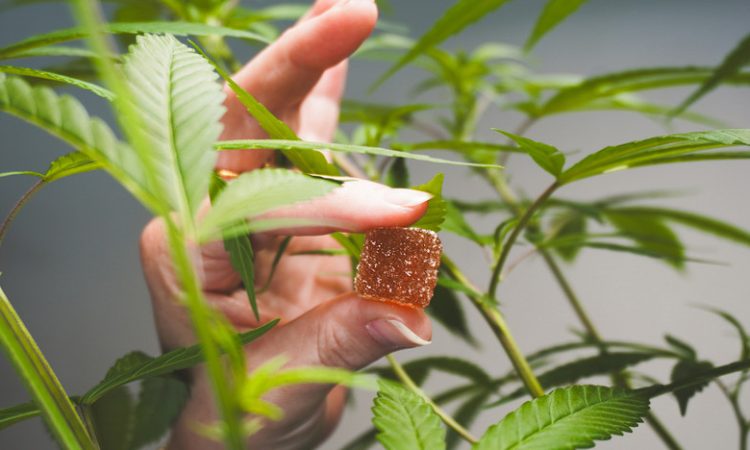
Cannabis premium pricing is commonly believed to reflect branding. Sometimes it does. With solventless gummies specifically, the price gap traces back to something more concrete: a production method that removes chemical shortcuts entirely and replaces them with slower, lower-yielding, labour-intensive alternatives at every single stage.
People who buy live rosin gummies online are paying for ice water hash and heat-pressed rosin rather than butane or ethanol extract. That distinction sounds technical until the cost of producing one versus the other gets examined closely. At that point, the price difference stops being surprising and starts making obvious sense.
Production runs more slowly without solvents
Chemical solvents move fast through plant material, stripping compounds efficiently at scale. Take the solvent away, and that efficiency disappears entirely. Fresh frozen plant material gets agitated through ice water to collect trichome heads. Those heads dry under controlled conditions. Then they press under heat and pressure. Three separate stages replace what solvent extraction handles in roughly one, and each stage requires skilled labour and precise environmental management that cannot be rushed without degrading what comes out the other end.
Compared to solvent extraction, how much does that slower process cost:
- Fresh frozen material demands immediate post-harvest processing, removing scheduling flexibility that dried material provides across a standard production calendar.
- Ice water agitation is time-sensitive enough that small deviations in water temperature or processing speed show up directly in output quality rather than being corrected downstream.
- Pressing quality hash into rosin yields considerably less finished extract per gram of input than solvent methods do from equivalent starting material.
Starting material gets rejected more often
Solvent extraction includes refinement stages. Distillation, winterisation, and filtration all exist specifically to correct for input material that falls below ideal quality. Solventless processing skips all of that. The terpene profile, cannabinoid content, and physical condition of whatever goes into the ice water come through into the finished rosin without correction available at any point.
It is this reality that has changed how producers are sourcing materials for solventless productions:
- Cultivar selection narrows sharply to varieties producing dense trichome structures, cutting out high-yielding plants that work perfectly well in solvent-based operations.
- Harvest timing tightens because fresh freezing requires processing at peak ripeness, not across the broader window that dried material tolerates without quality loss.
- Batches get rejected at higher rates because nothing in the solventless process compensates for input material that would be refined further in a solvent-based setup.
Higher rejection rates, slower throughput, immediate processing requirements after harvest, and lower extract yield per pound are not brand decisions or marketing positions. They are direct consequences of removing chemical solvents from an extraction process that was largely built around them. Every cost that results from that removal accumulates into the retail price before the extract ever reaches a gummy mould. Two gummies carrying identical milligram counts sit at different price points for this reason alone, not because of packaging, not because of branding, but because of what happened during extraction before either product took its final form.


What You Are Paying For When Choosing Private Nursing Homes
Important PointsCosts reflect continuous staffing, personalised care, and daily attention across every routine.Living spaces include upkeep, safety features, and shared...

How NTUC Income Panel Specialists Simplify Surgery Claims

Key HighlightsNetwork surgeons provide pre-negotiated fees that protect policyholders from unexpected medical bills.Approved letters of guarantee remove hefty upfront cash...

8 Warning Signs That May Accompany Abdominal Pain
Abdominal discomfort is common and can develop after overeating, indigestion, stress, or a temporary stomach upset. In many cases, it...

Key Considerations Around Returning to Normal Activities after Surgery


While milestones and timing tips provide a general roadmap, safely returning to your routine requires looking at the deeper physical...