







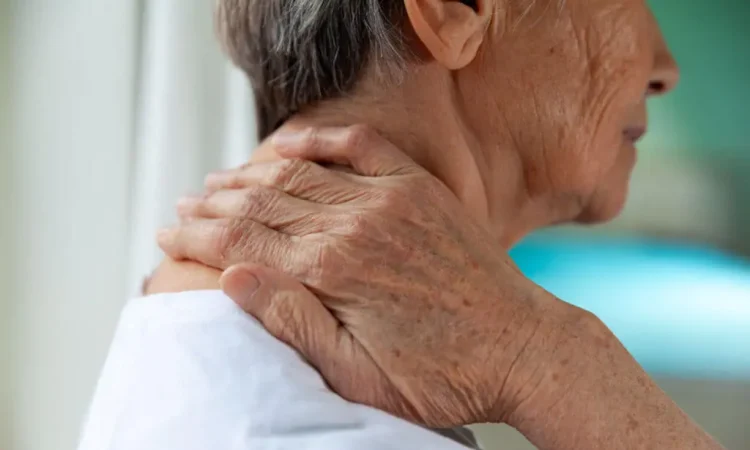
Pain can affect daily routines, focus, and mood. Many people experience discomfort due to joint issues, muscle strain, or long hours of sitting. Managing pain today is no longer limited to medication alone. Modern approaches focus on balance, prevention, and long-term comfort. With this change in approach, many individuals are learning about red light therapy for arthritis as a supportive method often mentioned in modern pain care conversations.
Understanding pain and how it responds to daily habits is the first step toward better control.
Understanding Pain in Everyday Life
Pain is the body’s warning signal. It tells us something needs attention. Acute pain appears suddenly and fades as the body heals. Chronic pain lasts longer and may come and go.
Lifestyle factors influence pain levels. Poor posture, lack of movement, and stress can increase discomfort. Weather changes and aging may also affect joint and muscle pain.
Recognizing pain triggers helps in choosing effective management strategies.
Movement as a Daily Pain-Relief Tool
Regular movement keeps muscles flexible and joints supported. Gentle activities such as walking, stretching, or swimming improve circulation and reduce stiffness.
Long periods of sitting can increase pain. Simple breaks during the day help reduce pressure on the spine and joints.
Strength training, when done correctly, supports muscles around painful areas. This reduces strain and improves stability over time.
The Role of Mind and Stress Control
Stress and pain are closely connected. Stress causes muscles to tense, which increases discomfort. It also affects sleep, which is essential for recovery.
Mindful practices help relax the body. Deep breathing, meditation, and short relaxation breaks can lower pain sensitivity.
Maintaining emotional balance supports physical comfort and daily functioning.
Nutrition and Hydration for Pain Support
What you eat affects inflammation. Diets rich in fruits, vegetables, and healthy fats support joint and muscle health.
Omega-3 fats found in fish and seeds help reduce inflammation. Adequate protein supports tissue repair.
Hydration is often overlooked. Dehydrated muscles cramp more easily. Drinking enough water helps muscles function smoothly.
Exploring Light-Based Support in Pain Care
Modern pain management often includes non invasive approaches. One option frequently discussed is red light therapy for arthritis, which is explored for its role in supporting joint comfort and reducing stiffness. When combined with movement, nutrition, and stress management, it fits into a broader strategy focused on gentle and consistent care rather than quick fixes.
This approach appeals to people seeking drug-free support options.
Sleep and Recovery Matter More Than You Think
Quality sleep allows the body to repair itself. Poor sleep increases pain sensitivity and fatigue.
Creating a consistent sleep schedule helps regulate recovery cycles. Comfortable sleep positions reduce strain on joints and muscles.
Limiting screen time before bed can improve sleep quality and reduce nighttime discomfort.
Building a Personalized Pain Management Routine
No single strategy works for everyone. Effective pain management is personal. It depends on lifestyle, health conditions, and daily demands.
Tracking pain patterns helps identify what works best. Adjusting routines based on body signals improves long-term results.
Consistency matters more than intensity. Small daily habits often lead to lasting improvement.
When to Seek Professional Support
Persistent or worsening pain should not be ignored. If pain limits movement or daily tasks, professional guidance is important.
Early care helps prevent long-term complications and improves quality of life.
Final Thoughts
Modern pain management focuses on understanding the body and supporting it daily. Movement, stress control, proper nutrition, and gentle supportive options work together to improve comfort.
By building a balanced routine and staying consistent, pain can become more manageable. Effective pain management is about creating habits that support a healthier and more active life.
The Science and Subtle Art of Gua Sha Massage in Singapore You Need To Know

Key TakeawaysGua sha massage treatments in Singapore are rooted in traditional East Asian medicine and supported by modern-day research on...

4 Hidden Costs to Consider When Calculating Live-In Caregiver Cost in Singapore
Key Highlights Monthly salaries are only the baseline; the Foreign Domestic Worker (FDW) levy and mandatory insurance add significant recurring...

The Ultimate Guide to Effective Back Pain Physiotherapy in Singapore

Key TakeawaysTreating the symptoms of back pain is a temporary fix, whereas addressing movement patterns offers a permanent solution.The unique...
What Is Cardiac Arrest? Recognising the Signs and Taking Action Quickly


Key Highlights Cardiac arrest is an electrical malfunction of the heart, distinct from a heart attack, causing an immediate cessation...