


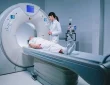




Magnetic Resonance Imaging (MRI) technology can feel intimidating to patients who have never had a scan before. The machine is large, the sounds can be loud, and the appointment may come at a time when a person is already worried about symptoms or results. Kasey McKillip, a seasoned MRI technologist with over a decade of hands-on experience in medical imaging, recognizes that the future of patient care is not only about better equipment. It is also about helping patients feel more informed, prepared, and supported during the imaging process. Kasey McKillip notes that these changes can also help patients feel more informed and supported throughout the process.
As MRI systems become more advanced, patients may notice changes in comfort, speed, image quality, and communication. These changes can help make the experience feel less unfamiliar, especially for people who feel nervous before an appointment. The technology matters, but the way it is used with patients matters just as much.
Better Images Can Support Clearer Answers
When a doctor orders an MRI, the goal is often to get a closer look at something that cannot be fully understood from symptoms alone. A patient may be dealing with pain, weakness, swelling, or another concern that needs more detail. MRI scans can show soft tissue, joints, the brain, the spine, and other areas of the body in ways that help radiologists review what may be happening.
Better imaging tools can support that review by making certain details easier to see. For patients, this can be one part of understanding what may be causing symptoms or why a doctor is considering a certain next step. Clearer images do not replace a provider’s judgment. They add information to a larger picture that may also include medical history, physical exams, and other tests.
Faster Scans May Help Reduce Stress
For many patients, the length of the scan is one of the first concerns. Lying still inside a scanner can feel difficult, especially for someone anxious, in pain or unsure how long the exam may last. Even when the scan itself is not painful, the time inside the machine can feel longer than expected.
Faster scanning methods may help shorten some exams, depending on the body part being scanned and the images needed. A shorter scan does not remove every concern, but it may make the appointment feel more manageable for some patients. Clear instructions still matter. Patients need to know when they should stay still, when they can relax, and how to ask for help if they feel uncomfortable.
Communication Tools Can Make the Process Clearer
Before an MRI appointment, patients often have simple but important questions. They may wonder what to wear, whether they can eat, whether contrast may be used, or whether they need to bring records. When those details are unclear, the appointment can feel more stressful than it needs to be.
Technology can help organize parts of this communication through online reminders, pre-visit instructions, and digital screening forms. These tools are most helpful when the language is direct and easy to understand. Patients preparing for a scan usually do not need complex medical terms. They need practical guidance that helps them arrive with fewer surprises.
Safety Remains Central to MRI Care
Even as MRI technology changes, safety remains one of the most important parts of the appointment. The scanner uses a strong magnetic field, which means patients must answer questions about implants, metal fragments, surgical clips, pacemakers, medication patches, and other possible risks. These questions are not meant to alarm patients. They are part of protecting everyone near the scanner.
Newer systems and digital records may help staff review safety details more efficiently, but patients still play an important role. They should answer questions carefully and mention anything they are unsure about. A device card, surgical history, or details about past injuries can help the imaging team make informed decisions before the scan begins.
Artificial Intelligence May Assist Imaging Teams
Artificial intelligence is becoming part of many medical imaging conversations, and patients may hear the term before they fully understand what it means. In MRI, AI tools may help with image reconstruction, workflow support, or scan planning in certain settings. These tools are used within a larger clinical process rather than as a replacement for trained professionals.
For patients, it is fair to ask how technology is being used and who reviews the images. In most cases, trained imaging staff still handle the scan, and a radiologist reviews the images. Human judgment remains important, especially when results need to be understood alongside symptoms, medical history, and the reason the scan was ordered.
Personalized Imaging Depends on Patient Needs
No two MRI appointments are the same, even when the process looks similar from the outside. A scan may focus on the brain, spine, knee, shoulder, abdomen, or another area. Some exams use contrast, while others do not. Some patients may need extra support because of pain, mobility limits, or anxiety.
This is why patients should avoid comparing their appointment too closely with someone else’s experience. A friend’s scan may have taken 20 minutes, while another exam may take longer. One person may need contrast, while another may not. The imaging plan depends on the provider’s order, the body part being scanned, and the information needed for review.
Technology Works Best With Human Guidance
Advanced equipment can improve what imaging teams are able to capture, but patients still rely on people during the exam. The technologist explains the process, checks safety information, helps with positioning, and communicates during the scan. These human steps can make the technology feel less overwhelming.
A calm voice through the intercom, a clear time estimate, or a small adjustment before the scan begins can help a patient get through the appointment. Technology may support the images, but the care around it shapes the patient experience. A good MRI appointment depends on both accurate tools and thoughtful guidance.
A More Patient-Focused Future
The future of MRI patient care is likely to be shaped by both technical progress and better communication. Faster scans, clearer images, comfort-focused design, and smarter workflow tools may change how patients experience imaging appointments. The most helpful changes are the ones that make the process easier to understand and less intimidating.
For anxious or unfamiliar patients, the goal is not to know every technical detail. It is enough to understand the basics, answer safety questions honestly, and speak up about discomfort or concerns. MRI technology may keep improving, but patient care still depends on trust, clarity and the steady support of trained professionals.

Choosing the Right Ayurvedic Heart Care Clinic in Navi Mumbai

Heart health requires careful attention, especially when dealing with conditions such as high blood pressure, diabetes, obesity, high cholesterol or other cardiovascular risk factors. For people exploring Ayurveda as part of their healthcare approach, choosing the right clinic is an important decision.With several healthcare options available, patients may search for an Ayurvedic heart care clinic in Navi Mumbai that combines qualified practitioners, appropriate health assessments, personalised treatment and regular follow-up.Here are some important factors to consider before selecting a clinic.1. Check the Qualifications of the Ayurvedic DoctorThe doctor is one...

What You Are Paying For When Choosing Private Nursing Homes


Important PointsCosts reflect continuous staffing, personalised care, and daily attention across every routine.Living spaces include upkeep, safety features, and shared...

How NTUC Income Panel Specialists Simplify Surgery Claims
Key HighlightsNetwork surgeons provide pre-negotiated fees that protect policyholders from unexpected medical bills.Approved letters of guarantee remove hefty upfront cash...

8 Warning Signs That May Accompany Abdominal Pain
Abdominal discomfort is common and can develop after overeating, indigestion, stress, or a temporary stomach upset. In many cases, it...