







Key Takeaways
- Earwax protects the ear naturally, but excessive buildup can cause discomfort and hearing issues if not managed properly.
- Safe earwax removal in Singapore often involves professional methods performed by an ENT doctor during an ENT consultation.
- Avoid cotton buds, ear candling, and sharp objects, as these methods can worsen blockages and increase the risk of injury.
Introduction
Earwax plays an important role in protecting the ear canal, but problems arise when it builds up excessively. Blocked ears can affect hearing, cause discomfort, and sometimes lead to dizziness or irritation. Nowadays, many people seek safe and practical solutions when these symptoms appear, which explains the growing interest in earwax removal in Singapore. To prevent unnecessary complications and protect long-term ear health, individuals must understand what works, what does not, and when to seek professional help.
Why Ear Wax Buildup Happens
Earwax, also known as cerumen, forms naturally to trap dust, debris, and bacteria before they reach the eardrum. In most cases, the ear cleans itself as wax moves outward naturally. However, factors such as narrow ear canals, ageing, frequent use of earphones, or habitual cotton bud use can interrupt this process and cause wax to accumulate.
In Singapore’s humid environment, moisture can also affect the consistency of earwax, making it harder to clear naturally. When wax becomes impacted, people may experience muffled hearing, ear fullness, or ringing sounds. These symptoms often prompt individuals to consider earwax removal in Singapore, and the method chosen matters greatly for safety.
Safe and Common Methods for Ear Wax Removal
One commonly recommended approach involves softening earwax with prescribed ear drops. These drops help loosen hardened wax, allowing it to move out naturally over time. This method suits mild cases and works best when used under professional guidance, especially for those with sensitive ears.
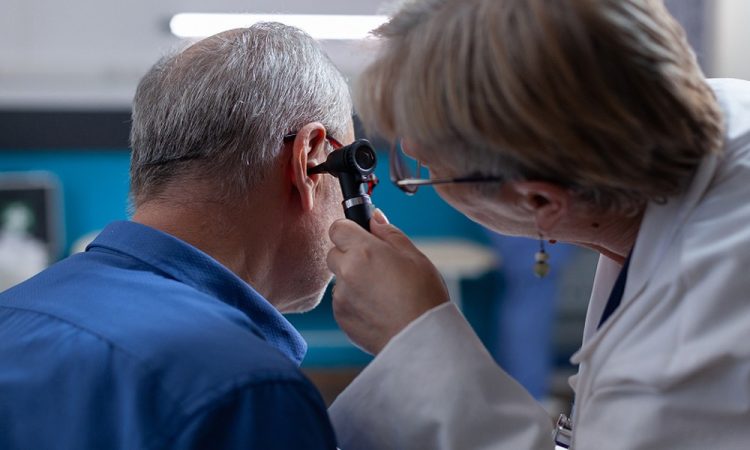
For more stubborn blockages, an ENT doctor may recommend clinical procedures such as microsuction or irrigation performed during an ENT consultation. These methods allow controlled removal under direct visualisation, reducing the risk of injury. Professional procedures provide a safer option compared to home remedies, particularly for individuals with recurring earwax issues.
What to Avoid When Removing Ear Wax
Many people attempt to remove earwax using cotton buds, hairpins, or other household tools. These practices often push wax deeper into the ear canal rather than removing it, which can worsen blockages and increase the risk of infection or damage to the ear canal.
Ear candling also attracts attention, but medical professionals discourage its use. This method does not remove wax effectively and may cause burns or ear injuries. Avoiding these unsafe practices helps reduce complications and ensures that ear wax removal in Singapore remains a controlled and low-risk process.
When to See an ENT Doctor
Persistent symptoms, such as hearing loss, ear pain, or frequent blockages, signal the need for professional evaluation. An ENT doctor assesses the ear canal and eardrum carefully before recommending treatment. This step becomes crucial if you have a history of ear surgery, perforated eardrums, or recurring infections.
An ENT consultation provides clarity on whether earwax causes the symptoms or if another condition requires attention. Rather than relying on guesswork, professional assessment ensures appropriate care. Seeking help early can prevent discomfort from escalating into more serious ear problems.
How ENT Consultations Support Safe Ear Care
An ENT consultation goes beyond simple wax removal, as doctors assess ear health, identify underlying causes, and advise on preventive care. This holistic approach helps patients avoid repeated blockages and unnecessary procedures.
ENT doctors also educate patients on safe ear hygiene habits. Limiting the use of cotton buds and managing moisture exposure can reduce wax buildup over time. Patients can manage ear health more confidently and safely through the guidance of a medical professional.
Conclusion
Ear wax removal requires care, patience, and the right approach. While mild buildup may resolve naturally, persistent symptoms should prompt professional attention. Understanding safe methods and avoiding harmful practices protects hearing and overall ear health. For those considering earwax removal in Singapore, consulting an ENT doctor through an ENT consultation remains the most reliable way to address concerns safely and effectively. They also encourage informed healthcare decisions by connecting individuals with appropriate medical information and resources.
Visit Dr Jenica Yong to learn more about safe ear care and informed treatment options.

What Is Cardiac Arrest? Recognising the Signs and Taking Action Quickly

Key Highlights Cardiac arrest is an electrical malfunction of the heart, distinct from a heart attack, causing an immediate cessation...

Doctor Near Me: Your Complete Guide To Finding The Right Care

Doctor near me? Discover simple ways to find trusted doctors nearby, compare options, and book visits fast for better care...

How to Achieve Relationship Harmony With Less Constant Arguments
Key Takeaways Identifying underlying emotional triggers helps prevent repetitive cycles of conflict. Prioritising active listening fosters a deeper sense of...
LASIK Myths That Still Confuse First-Time Patients


Key TakeawaysNumbing eye drops keep LASIK procedures comfortable, while brief laser time reduces anxiety for first-time patients.Healing takes time after...