



Key Takeaways
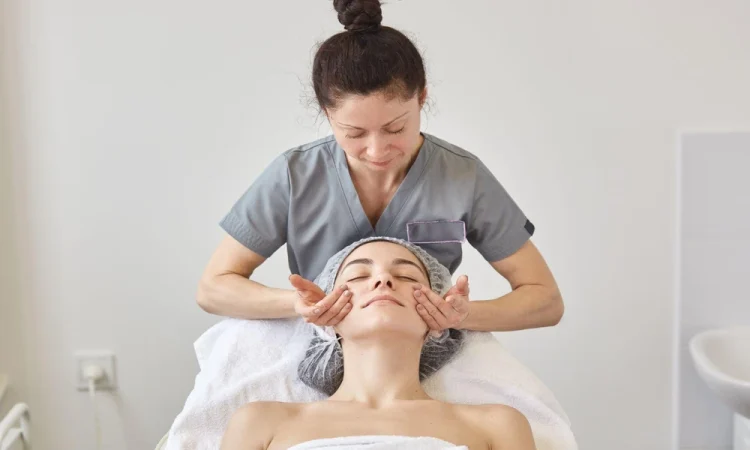
- Manual facials in Singapore rely heavily on hands-on techniques such as cleansing, massage, extraction, and mask application.
- Machine-assisted treatments use devices to support exfoliation, hydration, lifting, or skin resurfacing procedures.
- Different skin conditions may respond differently to manual and machine-assisted approaches.
- Treatment intensity, downtime, and maintenance requirements often vary between methods.
- Choosing between procedures depends on skin sensitivity, treatment goals, and existing skin conditions.
Introduction
Consumers seeking a facial in Singapore are often presented with two broad categories of procedures: manual facials and machine-assisted treatments. While both approaches aim to improve skin condition and maintenance, the methods used differ significantly. Manual procedures depend primarily on physical techniques performed by therapists, whereas machine-assisted treatments involve specialised equipment designed to target specific skin concerns. Knowing how these methods differ helps individuals evaluate which option may be more suitable for their skin type, tolerance level, and treatment objectives.
Manual Facials Focus on Traditional Skin Maintenance
Manual facials are generally centred around cleansing, exfoliation, extraction, massage, and topical product application. These treatments rely on direct hand techniques to remove impurities, improve circulation, and support hydration. Extraction procedures are commonly included to clear clogged pores, while facial massage is often used to stimulate blood flow and reduce surface tension in facial muscles.
One advantage of manual procedures is the flexibility therapists have during treatment. The pressure, extraction method, and product application can be adjusted immediately based on skin response. Individuals with sensitive or reactive skin may sometimes tolerate manual procedures better because the treatment intensity can be moderated more easily. However, results are often dependent on practitioner technique and consistency across sessions.
Manual facials also tend to involve fewer specialised devices, which means they may focus more on routine maintenance rather than deeper resurfacing or structural skin changes. Due to this reason, some individuals use manual facials primarily for cleansing and short-term skin upkeep rather than correction-based objectives.
Machine-Assisted Treatments Use Technology-Based Procedures
Machine-assisted procedures within a facial treatment in Singapore commonly involve equipment such as radiofrequency devices, LED therapy systems, ultrasound technology, hydrodermabrasion machines, or microcurrent tools. These treatments are generally designed to target specific concerns such as uneven texture, dehydration, pigmentation, or reduced skin firmness.
Unlike manual facials, machine-assisted treatments often follow standardised settings and protocols. Certain devices deliver controlled heat, vibration, suction, or light energy into targeted skin layers. Due to this, machine-assisted procedures may achieve more consistent penetration or stimulation levels compared to manual application alone.
Some treatments are designed to encourage collagen activity, while others prioritise exfoliation or serum infusion. However, stronger procedures may also involve temporary redness, dryness, or recovery periods depending on treatment intensity. Individuals with certain medical conditions or highly reactive skin may require additional assessment before undergoing device-based procedures.
Machine-assisted treatments are often selected when individuals want more targeted treatment plans instead of general maintenance-focused sessions. However, repeated sessions are still commonly required because skin renewal occurs gradually over time.
Differences in Customisation and Treatment Experience
The treatment experience differs considerably between the two approaches. Manual facials usually involve longer massage sequences, gentler handling, and more tactile interaction. Machine-assisted treatments may feel more clinical because the procedure depends heavily on device operation and structured treatment steps.
Customisation also differs between methods. Manual procedures allow therapists to respond immediately to visible irritation or discomfort. Machine-assisted treatments, while adjustable, may rely more on predetermined settings and treatment parameters established before the procedure begins.
Cost structures may also vary. Machine-assisted procedures often involve higher operational expenses due to equipment maintenance and technology usage. Manual facials may require fewer technical resources but can still vary depending on the products used and treatment duration.
Conclusion
Both manual facials and machine-assisted procedures serve different functions within modern skincare practices. Manual methods focus largely on cleansing, massage, and routine skin maintenance, while machine-assisted treatments are often used for more targeted skin concerns involving texture, firmness, or pigmentation. That said, when selecting a facial in Singapore, factors such as skin sensitivity, treatment goals, downtime tolerance, and maintenance expectations should be assessed carefully before proceeding with either approach.
Contact Glow Haven Aesthetics & Wellness and discover our range of facial procedures tailored to different skin conditions, treatment tolerances, and long-term maintenance goals.
Choosing the Right Ayurvedic Heart Care Clinic in Navi Mumbai

Heart health requires careful attention, especially when dealing with conditions such as high blood pressure, diabetes, obesity, high cholesterol or...

What You Are Paying For When Choosing Private Nursing Homes


Important PointsCosts reflect continuous staffing, personalised care, and daily attention across every routine.Living spaces include upkeep, safety features, and shared...

How NTUC Income Panel Specialists Simplify Surgery Claims
Key HighlightsNetwork surgeons provide pre-negotiated fees that protect policyholders from unexpected medical bills.Approved letters of guarantee remove hefty upfront cash...
8 Warning Signs That May Accompany Abdominal Pain
Abdominal discomfort is common and can develop after overeating, indigestion, stress, or a temporary stomach upset. In many cases, it...