


Key Takeaways
- Gua sha massage treatments in Singapore are rooted in traditional East Asian medicine and supported by modern-day research on circulation.
- A beauty spa in Singapore increasingly blends ancient techniques with contemporary skin science.
- The theory behind common practices such as lymphatic drainage and muscle stimulation explains visible facial changes.
- Understanding the mechanics of touch, pressure, and rhythm helps clients make informed choices.
Introduction
Facial treatments promise relaxation and glow, but the real story lies in the theory behind common practices. In recent years, the rise of Gua Sha massage sessions within every reputable beauty spa in Singapore has shifted attention towards techniques that prioritise circulation, muscle tone, and lymphatic balance rather than surface-level skincare alone. While Gua Sha originates from traditional Chinese medicine, its growing popularity reflects a broader interest in treatments that combine historical wisdom with physiological understanding.
Circulation as the Foundation of Radiance
At the heart of any gua sha massage in Singapore lies a simple physiological principle: improved blood flow enhances tissue vitality. Controlled scraping techniques can increase microcirculation in treated areas for several minutes after application. Increased circulation means oxygen and nutrients reach skin cells more efficiently, supporting repair and renewal.
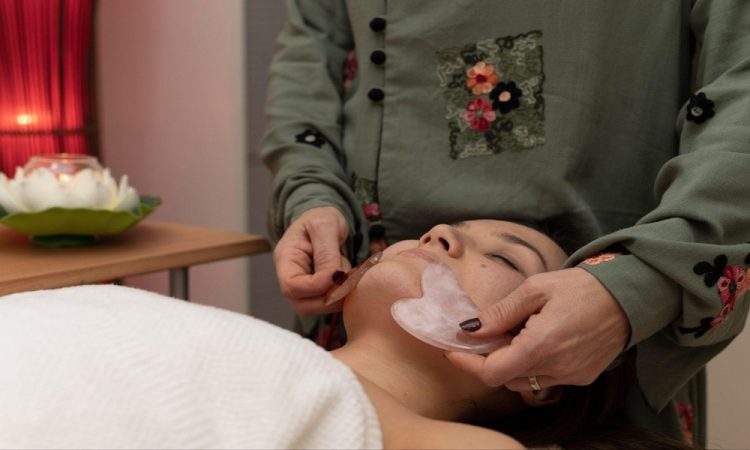
When visiting a beauty spa in Singapore, clients report an immediate brightness after Gua Sha. The gentle pressure applied with a smooth-edged stone encourages vasodilation, the widening of blood vessels, which temporarily boosts blood supply. Unlike abrasive treatments, Gua Sha works with the skin rather than against it. The glow observed post-session reflects enhanced perfusion. Nourish the underlying tissue, and surface clarity follows. Instead of masking fatigue, gua sha attempts to address stagnation at its source.
Lymphatic Drainage and the Reduction of Puffiness
The lymphatic system acts as the body’s waste removal network, transporting excess fluids and metabolic by-products away from tissues. When this system slows, fluid retention may appear as facial puffiness. A beauty spa in Singapore that integrates structured Gua Sha techniques follows directional strokes aligned with lymphatic pathways. Gentle, rhythmic movements can stimulate lymph flow and reduce swelling.
This explains why clients frequently notice more defined contours along the jawline and cheekbones after a session. The sculpted appearance is about reducing retained fluid and encouraging balanced circulation. The practice demonstrates how understanding anatomy transforms what may appear to be a simple massage into a targeted therapeutic ritual.
Muscle Tension and Facial Expression Patterns
Facial muscles are in constant use. Stress, screen time, and habitual expressions create tension patterns that influence how the face rests. The theory behind muscle-focused facial treatments is grounded in myofascial release, a technique recognised in physiotherapy for relieving connective tissue tightness. During a Gua Sha massage, the practitioner applies controlled pressure along muscle lines. This may help ease tight areas around the brows, temples, and jaw.
Over time, repeated relaxation of these muscles can soften the appearance of expression lines. A beauty spa in Singapore that approaches Gua Sha with anatomical precision considers muscle direction, not merely surface strokes. Relaxed muscles improve circulation and reduce strain on surrounding tissue. In facial care, this translates into smoother skin and a more rested expression.
The Role of Touch in Nervous System Regulation
Modern-day dermatology increasingly acknowledges the connection between stress and skin conditions. Elevated cortisol levels can influence inflammation and breakouts. Touch-based therapies, including Gua Sha massage in Singapore, may help activate the parasympathetic nervous system, which is responsible for rest and recovery.
Calming tactile stimulation can reduce stress markers and support skin barrier repair. When a beauty spa in Singapore integrates mindful pacing into treatment, the effect extends beyond the epidermis. Slow, deliberate strokes can encourage relaxation, potentially improving sleep and overall well-being.
Traditional Roots, Contemporary Application
Gua Sha has been practised in East Asia for centuries, originally applied to the body to address stagnation and discomfort. The adaptation into facial therapy maintains its foundational philosophy: movement promotes health. While traditional methods involved more vigorous scraping, beauty spas in Singapore now employ lighter pressure suitable for delicate facial tissue.
Clinics and spas now combine traditional tools with skincare formulations designed to reduce friction and enhance glide. This integration reflects a dialogue between heritage and innovation. Rather than abandoning historical techniques, contemporary practitioners refine them using anatomical knowledge and hygiene standards aligned with today’s expectations.
Conclusion
Gua Sha’s resurgence comes from its foundation in circulation, lymphatic balance, muscle relaxation, and nervous system support that offers a coherent explanation for the results many experience. Within a beauty spa in Singapore, gua sha massage treatments reflect an interest in therapies that combine tactile skill with physiological insight. By understanding the theory behind common practices, clients move beyond surface impressions. They recognise that visible radiance begins beneath the skin, where blood flows, muscles release, and the nervous system settles.
If you are curious about how these principles translate into personalised care, connect with The Privilege Boutique today.
Why yoga teacher training is a journey of self-discovery?

Why does self-discovery start?Self-discovery begins during yoga teacher training because the daily routine takes away the usual ways of stepping...

5 Reasons Why Havening is the New “Secret Weapon” for Peak Performance

In the high-stakes worlds of professional sports, executive leadership, and the performing arts, the difference between a gold medal and...
Back Massager in Singapore: Top Features to Consider Before Buying
With long working hours and extended screen time, back tension has become a common concern for many office workers and...
What Are the Different Oils Used for Ayurvedic Massage?


Oil is the most important component of any Ayurvedic massage. If you book a massage at a reputable Ayurvedic clinic...