


Key Highlights
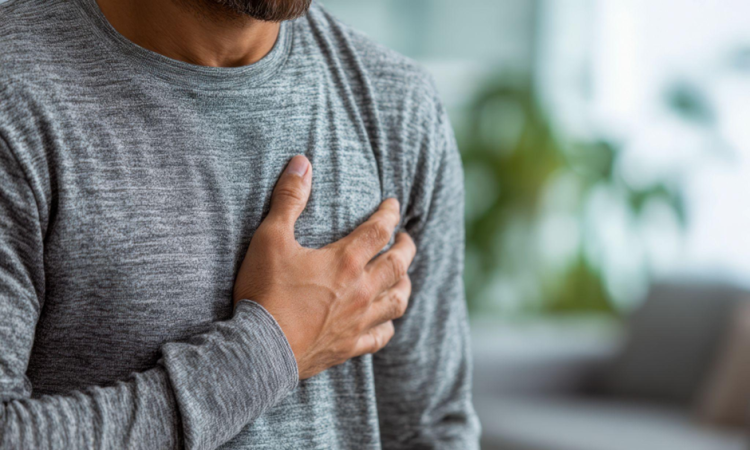
- Cardiac arrest is an electrical malfunction of the heart, distinct from a heart attack, causing an immediate cessation of blood flow.
- Recognising the sudden loss of consciousness and absence of normal breathing is the first step in saving a life.
- Immediate intervention through CPR and AED usage significantly increases survival rates during the “golden minutes.”
- Obtaining a first aid certification empowers everyday citizens to act decisively before professional paramedics arrive on the scene.
Introduction
When we discuss medical emergencies that demand split-second decisions, few scenarios are as daunting as a person suddenly collapsing in a public space. Understanding what cardiac arrest is begins with distinguishing it from other cardiovascular events, as many people mistakenly use the term interchangeably with a heart attack.
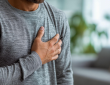
While a heart attack is essentially a plumbing problem caused by a blocked artery, a cardiac arrest is a catastrophic electrical failure that causes the heart to stop beating entirely without warning. This abrupt cessation means that oxygenated blood no longer reaches the brain or other vital organs, leading to a state of clinical death within mere seconds if no one intervenes.
In the high-stakes environment of a medical crisis, having the knowledge provided by a first aid certification transforms a panicked bystander into a capable first responder who can bridge the gap between collapse and hospitalisation.
Recognising the Critical Indicators
The primary challenge in managing this condition is the sheer speed at which it unfolds, leaving little time for deliberation or second-guessing. You will typically witness a casualty who suddenly loses consciousness, falls to the ground and becomes completely unresponsive to verbal commands or physical touch. Unlike someone who has simply fainted, a person in cardiac arrest will either stop breathing altogether or exhibit “agonal gasping,” which sounds like laboured, irregular snoring.
If you find yourself asking what cardiac arrest is while looking at someone in this state, the answer is usually found in the lack of a pulse and the eerie stillness of their chest. Time is the most expensive commodity in these moments, and every minute that passes without chest compressions reduces the probability of a successful resuscitation by approximately ten per cent.
The Chain of Survival and Immediate Action
Once you have identified the emergency, the protocol involves a sequence of actions known as the Chain of Survival, which begins with an immediate call to emergency services. You must start Cardiopulmonary Resuscitation (CPR) immediately to manually pump blood to the brain, even if you feel unsure of your technique, because doing something is always better than doing nothing.
Those who have invested time in a first aid certification will know how to find and operate an Automated External Defibrillator (AED), which is a device designed to shock the heart back into a normal rhythm. Most public spaces in Singapore are now equipped with these user-friendly machines that provide voice prompts to guide you through each step of the process. The synergy between manual compressions and the electrical reset from an AED provides the casualty with the best possible fighting chance while the ambulance is en route.
Why Formal Training Changes the Outcome
It is one thing to read about emergency procedures online, but it is entirely different to perform them under the immense pressure of a real-life life-or-death situation. Pursuing a first aid certification gives you the hands-on practice needed to develop “muscle memory,” ensuring your hands know exactly where to go even when your mind is racing. These courses teach you the nuances of cardiac arrest across different age groups, including how to adjust your force for infants or the elderly.
Furthermore, the confidence gained from a certified course reduces the “bystander effect,” where people hesitate to help because they fear they might cause more harm. By becoming a trained provider, you join a vital network of community responders who are ready to stand at the forefront of cardiac safety in our city.
Conclusion
A cardiac arrest is a terrifying event, yet it is not an inevitable death sentence if the people nearby are prepared to act with speed and precision. Every successful recovery story usually involves a brave individual who recognised the signs and didn’t wait for someone else to take charge. Strengthening your understanding of what cardiac arrest is and maintaining a current first aid certification are the most proactive steps you can take to protect your family, colleagues, and the wider community.
Don’t wait for an emergency to happen before you decide to learn the skills that save lives. Reach out to the Singapore Heart Foundation today to find out how you can support the fight against heart disease or join a training programme that makes a real difference!

How to Achieve Relationship Harmony With Less Constant Arguments

Key Takeaways Identifying underlying emotional triggers helps prevent repetitive cycles of conflict. Prioritising active listening fosters a deeper sense of...
LASIK Myths That Still Confuse First-Time Patients


Key TakeawaysNumbing eye drops keep LASIK procedures comfortable, while brief laser time reduces anxiety for first-time patients.Healing takes time after...
Proton Therapy in Singapore: How It Differs from Traditional Cancer Treatment
Key Highlights Proton therapy delivers radiation with pinpoint accuracy, minimising damage to surrounding healthy tissue. Traditional X-ray radiation passes through...

How to Choose a Registered TCM Clinic in Singapore and Why Spotting Momentum Shifts Early Matters
Key Takeaways A registered TCM clinic in Singapore ensures practitioners meet regulatory standards set by the TCM Practitioners Board. Experienced...