








Key Takeaways
- Treating the symptoms of back pain is a temporary fix, whereas addressing movement patterns offers a permanent solution.
- The unique urban lifestyle contributes to specific spinal stressors, and local expertise can mitigate them.
- The language of your spine can help identify early warning signs before they become debilitating injuries.
- Professional intervention is a catalyst for faster, safer, and more sustainable physical health.
Introduction
As we spend more hours hunched over devices or compressed into ergonomic office chairs that infrequently live up to their name, the human spine is paying a heavy toll. Understanding how to navigate this discomfort is a fundamental requirement for maintaining a high-quality, active lifestyle in the 21st century. The sensation of a stiff back or a sharp twinge is treated as an inevitable part of adulthood. We see a shift from passive treatments to active, movement-based rehabilitation with physiotherapy in Singapore. The journey to a pain-free life begins with understanding that your back is not a fragile column but a resilient, dynamic structure designed for motion.
The Shift from Quick Fix to Long-Term Function
When you prioritise function, you stop asking “How can I stop the pain today?” and start asking “What is my body telling me about how I move?” The core philosophy behind modern-day back pain physiotherapy challenges the priority of comfort in favour of the priority of corrective movement. By addressing the underlying biomechanical imbalances, you are essentially investing in a pension fund for your body. The priority shifts from managing a crisis to building a fortress. This shift in perspective is the most significant hurdle for patients. It is also the most rewarding, as it leads to a version of yourself that is physically robust.
The Anatomy of the Urban Strain of Back Pain
The human spine is a masterpiece of engineering, comprising 33 vertebrae, complex disc systems, and a web of supporting musculature. In an ideal environment, these components share loads efficiently. However, prolonged sitting causes the hip flexors to shorten and the core muscles to become sleepy, forcing the lower back to overwork. This is why many find that their pain persists despite having a good chair.
Professional physiotherapy in Singapore focuses on deconstructing these habits. They look at how your muscles work together to stabilise your spine. By understanding the science of spinal loading, you can begin to see your back pain as a logical outcome of specific environmental triggers. Recognising these triggers is the first step in a successful back pain physiotherapy programme, allowing for a targeted approach that replaces dysfunctional patterns with efficient ones.
The Power of Movement Analysis and Corrective Exercise
One of the unique insights offered by physiotherapy in Singapore is the use of comprehensive movement analysis. This is not just about where it hurts; it’s about how you squat, how you walk, and how you breathe. By conducting a thorough biomechanical assessment, a physiotherapist acts as a movement detective.
The resulting corrective exercises are neuromuscular re-education. They teach your brain to recruit the right muscles at the right time. This level of precision is what makes professional back pain physiotherapy so effective. It moves beyond generic stretches and into the realm of bespoke physical engineering, ensuring that your recovery is tailored to your unique anatomical signature.
The Psychology of Pain and the Path to Resilience
Pain is as much a neurological event as it is a physical one. When you have dealt with back pain for a long time, your central nervous system can become sensitised, essentially lowering the alarm threshold. This means you might feel pain even when there is no significant tissue damage. A crucial part of the recovery process involves calming the nervous system through education and graded exposure to movement.
A specialist in physiotherapy in Singapore provides the psychological safety net needed to start moving again. By gradually increasing the complexity and load of your movements, you prove to your brain that your back is strong and capable. This builds the ability to withstand the stresses of daily life without triggering a pain response. It is a journey of reclaiming confidence in your own body, transforming the way you perceive your physical potential.
Conclusion
The path to overcoming back pain is in a strategic commitment to movement science. The transition to a pain-free life requires a reassessment of priorities, moving from symptom management to functional restoration. By understanding the urban strains of Singapore and utilising the precise diagnostics of professional back pain physiotherapy, you can build a spine that is resilient, adaptable, and ready for whatever life throws at it. Investing in expert physiotherapy in Singapore is about unlocking a higher level of vitality. Your journey to resilience starts with a single, informed step toward better biomechanics.
Ready to get back to the activities you love? Consult at The Movement Laboratory today.

What Is Cardiac Arrest? Recognising the Signs and Taking Action Quickly

Key Highlights Cardiac arrest is an electrical malfunction of the heart, distinct from a heart attack, causing an immediate cessation...

Doctor Near Me: Your Complete Guide To Finding The Right Care
Doctor near me? Discover simple ways to find trusted doctors nearby, compare options, and book visits fast for better care...

How to Achieve Relationship Harmony With Less Constant Arguments
Key Takeaways Identifying underlying emotional triggers helps prevent repetitive cycles of conflict. Prioritising active listening fosters a deeper sense of...
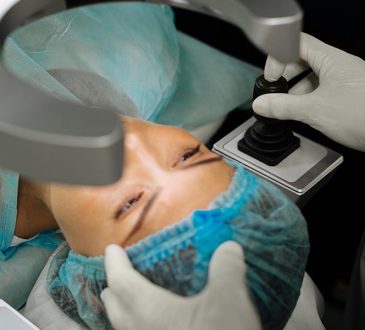
LASIK Myths That Still Confuse First-Time Patients


Key TakeawaysNumbing eye drops keep LASIK procedures comfortable, while brief laser time reduces anxiety for first-time patients.Healing takes time after...