






Key Takeaways
- Medical packaging plays a direct role in patient safety, compliance, and product longevity.
- A well-designed medical device tray improves protection, sterility, and handling efficiency.
- Medical desiccant silica gel prevents moisture damage during storage and transport.
- Anticipated changes in healthcare regulations and technology demand smarter packaging strategies.
Introduction
Medical innovation focuses on the device and its precision, materials, and functionality. Yet the journey from production to clinical use depends heavily on medical packaging. Without proper containment, structural support, and environmental protection, even the most advanced device can fail before it is used. Healthcare systems today operate under stringent regulatory frameworks. Standards from organisations and guidelines from regulatory authorities emphasise packaging validation, sterility assurance, and barrier integrity. This makes solutions such as the medical device tray and medical desiccant silica gel central to safe distribution and long-term storage.
Medical Packaging as a Silent Safeguard
Medical packaging serves multiple protective functions simultaneously. It must maintain sterility, resist physical damage, and preserve device functionality throughout transport and storage. This is particularly important for devices that undergo sterilisation processes, which can affect material stability.
Effective medical packaging integrates barrier materials, structural support, and environmental control. Moisture control, often achieved through medical desiccant silica gel, prevents corrosion or degradation in sensitive components. Packaging integrity directly influences sterility assurance levels. Therefore, packaging is a critical component of product design validation.
The Role of a Medical Device Tray in Structural Protection
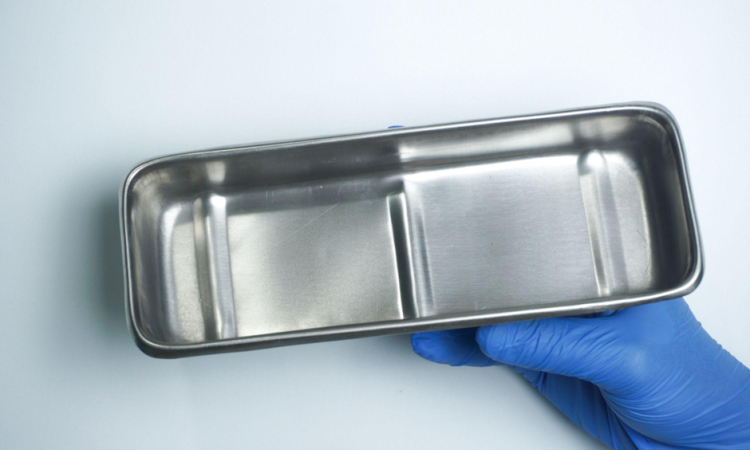
A medical device tray stabilises delicate components during transportation and simplifies clinical handling. Trays are typically engineered from medical-grade materials capable of withstanding sterilisation while maintaining dimensional stability. Design considerations include cavity depth, support ribs, and material compatibility with sterilisation methods.
Poorly designed trays can allow micro-movement within packaging, increasing the risk of scratches or functional misalignment. Conversely, a well-designed medical device tray secures each component precisely, reducing shock transmission and ensuring readiness for immediate clinical use. Structured layouts enable clinicians to access instruments quickly, reducing preparation time and lowering contamination risks during procedures.
Moisture Control and the Science Behind Medical Desiccant Silica Gel
Moisture remains one of the most persistent threats to medical devices, particularly those incorporating metal parts, electronic elements, or moisture-sensitive polymers. Medical desiccant silica gel functions by absorbing ambient humidity within sealed packaging, preventing condensation and corrosion. Silica gel operates through adsorption, meaning water molecules adhere to its porous surface structure.
Excessive humidity accelerates oxidation and degrades certain polymers, making desiccants essential for long-term storage stability. Incorporating medical desiccant silica gel into packaging design reflects a proactive risk management approach. As global distribution networks expand, exposure to varying climates increases, making moisture control even more significant.
Anticipated Changes in Medical Packaging Design
Healthcare is undergoing a transformation driven by digital health devices, minimally invasive technologies, and increased regulatory scrutiny. Compact electronics integrated into surgical instruments require enhanced environmental protection. This may lead to greater reliance on specialised medical desiccant silica gel formulations and multilayer barrier systems.
Regulatory bodies and healthcare providers are exploring recyclable or reduced-waste packaging options. Unique device identification (UDI) systems demand clear labelling and durable printing on medical packaging surfaces. Packaging must therefore support digital tracking without compromising barrier integrity.
Finally, global supply chain resilience has become a priority. Manufacturers increasingly evaluate packaging performance under diverse transport conditions. Reinforced medical device tray designs and improved sealing systems may become standard features rather than optional upgrades.
Integration of Design, Compliance, and Practical Use
Modern medical packaging design involves cross-functional collaboration. Engineers, regulatory specialists, and clinical users contribute to tray configuration, material selection, and desiccant placement. Validation testing ensures performance under real-world conditions. Compliance frameworks require documented packaging validation, including stability testing and sterilisation compatibility. A medical device tray must therefore withstand sterilisation cycles without distortion.
Strategic Value Beyond Protection
Medical packaging influences brand credibility and user trust. Clinicians associate secure, clearly labelled packaging with reliability. Conversely, compromised seals or poorly designed trays may raise concerns, even if the device remains functional. By investing in structured packaging systems, manufacturers demonstrate foresight. Moreover, effective packaging reduces returns, recalls, and warranty claims. It protects not only devices but also reputations.
Conclusion
Medical packaging is a protective ecosystem that safeguards device integrity, sterility, and performance from production to patient use. A thoughtfully engineered medical device tray ensures structural stability and workflow efficiency. Medical desiccant silica gel protects against moisture-related degradation. As anticipated changes reshape healthcare, packaging strategies must evolve accordingly. Organisations that treat medical packaging as a strategic priority rather than a logistical necessity position themselves for long-term resilience. In healthcare manufacturing, protection begins long before clinical application. It begins with packaging designed to anticipate the future.
If your organisation is evaluating packaging upgrades or preparing for new compliance requirements, check out Dou Yee and explore their structured tray systems and moisture-control options today.
Choosing the Right Ayurvedic Heart Care Clinic in Navi Mumbai

Heart health requires careful attention, especially when dealing with conditions such as high blood pressure, diabetes, obesity, high cholesterol or other cardiovascular risk factors. For people exploring Ayurveda as part of their healthcare approach, choosing the right clinic is an important decision.With several healthcare options available, patients may search for an Ayurvedic heart care clinic in Navi Mumbai that combines qualified practitioners, appropriate health assessments, personalised treatment and regular follow-up.Here are some important factors to consider before selecting a clinic.1. Check the Qualifications of the Ayurvedic DoctorThe doctor is one...

What You Are Paying For When Choosing Private Nursing Homes


Important PointsCosts reflect continuous staffing, personalised care, and daily attention across every routine.Living spaces include upkeep, safety features, and shared...

How NTUC Income Panel Specialists Simplify Surgery Claims
Key HighlightsNetwork surgeons provide pre-negotiated fees that protect policyholders from unexpected medical bills.Approved letters of guarantee remove hefty upfront cash...
8 Warning Signs That May Accompany Abdominal Pain
Abdominal discomfort is common and can develop after overeating, indigestion, stress, or a temporary stomach upset. In many cases, it...