





Key Highlights
- Proton therapy delivers radiation with pinpoint accuracy, minimising damage to surrounding healthy tissue.
- Traditional X-ray radiation passes through the entire body, affecting tissues beyond the tumour site.
- Fewer side effects and faster recovery times make proton therapy ideal for paediatric cases and sensitive tumour locations.
- Singapore’s booming medical infrastructure now provides access to this treatment option.
Introduction
Cancer patients in Singapore now have access to treatment modalities that seemed like science fiction just decades ago. Proton therapy in Singapore represents one of the most significant approaches in radiation oncology, fundamentally changing how doctors approach tumour destruction whilst preserving quality of life.
The Fundamental Difference
Traditional radiation therapy uses X-rays or photons that travel through the body in a straight line. These beams enter from one side, pass through the tumour, and exit from the other side. Everything in their path receives radiation exposure, including healthy organs and tissues that happen to lie in the beam’s trajectory.
Proton therapy in Singapore operates on entirely different physics. Protons are charged particles that can be controlled with electromagnetic fields, allowing radiation oncologists to determine precisely where these particles release their energy. The beam deposits maximum radiation at a specific depth within the body, then stops. No exit dose means tissues beyond the tumour remain unaffected.
This distinction becomes critically important when treating cancers near vital organs. Brain tumours located close to the optic nerve, prostate cancers adjacent to the rectum, or paediatric cases where protecting growing tissues matters all benefit from this precision enormously.
Reduced Side Effects Change Treatment Outcomes
Cancer treatment in Singapore has evolved to prioritise not just survival rates but also long-term quality of life. Traditional radiation often causes collateral damage that manifests as debilitating side effects. Patients may experience severe fatigue, skin burns, digestive problems, or organ dysfunction depending on the treatment site.
The targeted nature of proton therapy substantially reduces these complications. A patient receiving treatment for a skull base tumour might avoid the cognitive impairment associated with broader brain radiation exposure. Someone with lung cancer could maintain proper respiratory function because the surrounding lung tissue receives minimal radiation.
Children represent the patient population that benefits most dramatically. Their developing bodies are particularly vulnerable to radiation’s long-term effects, including growth problems, secondary cancers, and developmental delays. Proton therapy in Singapore allows paediatric oncologists to treat childhood cancers aggressively whilst protecting still-forming organs and tissues from unnecessary exposure.
Treatment Planning and Delivery Precision
The sophistication of proton therapy extends beyond the beam itself. Modern systems incorporate high imaging that updates in real-time, accounting for slight movements caused by breathing or organ shifts. Treatment plans can layer multiple beams from different angles, each stopping at the tumour’s edge to create a highly conformal radiation dose distribution.
Cancer treatment in Singapore benefits from world-class medical physics teams who spend considerable time calibrating each treatment plan. They calculate exactly how deep the protons must penetrate, how much energy they need to carry, and what angles will provide optimal tumour coverage whilst sparing critical structures. This planning process takes longer than conventional radiation setup, but the precision pays dividends in outcomes.
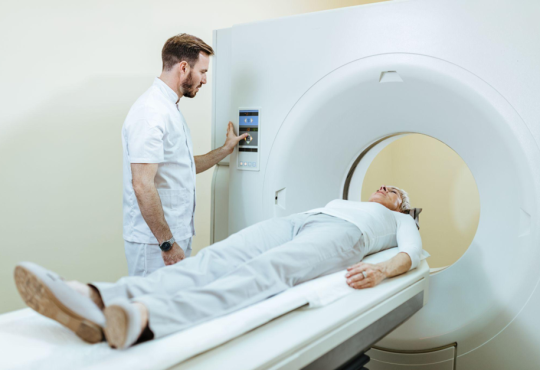
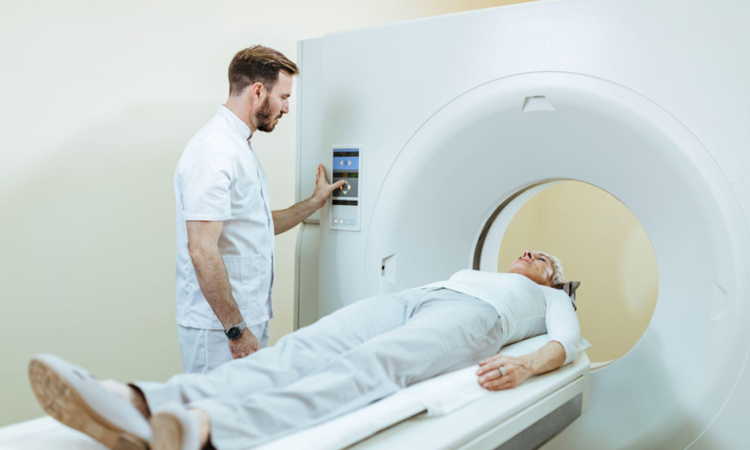
The actual treatment session proceeds quickly once planning concludes. Patients lie on the treatment table for just minutes whilst the machine delivers the prescribed dose. Most protocols require daily sessions over several weeks, similar to traditional radiation schedules.
Appropriate Patient Selection Matters
Not every cancer case requires proton therapy. Straightforward tumours located away from sensitive structures may respond equally well to modern conventional radiation techniques that have also improved significantly. Oncologists evaluate each case individually, considering tumour location, size, proximity to critical organs, and the patient’s overall health status.
Proton therapy in Singapore proves most valuable for complex cases where millimetre-level precision makes a substantial difference in patient outcomes. Head and neck cancers, spinal tumours, ocular melanomas, and certain gastrointestinal malignancies often fall into this category. The technology also suits patients who have previously received radiation and need retreatment in the same area, as it minimises additional exposure to already-treated tissues.
Cost Considerations and Access
Using technology comes with higher upfront costs. Proton therapy facilities require massive infrastructure investments, from the cyclotron that generates proton beams to the specialised treatment rooms with intricate beam delivery systems. These expenses translate to higher treatment costs compared to conventional radiation.
However, cancer treatment in Singapore operates within a healthcare system that recognises long-term value. When fewer side effects mean reduced hospitalisation for complications, faster return to work, and lower risk of secondary cancers requiring future treatment, the overall healthcare economics shift. Many insurance plans now cover proton therapy for appropriate cases, and government subsidies help ensure access based on medical need rather than ability to pay.
Conclusion
Proton therapy represents a paradigm shift in how radiation oncology approaches cancer treatment, offering unprecedented precision that protects healthy tissue whilst effectively targeting tumours. This technology has matured from experimental to standard of care for specific cancer types, giving patients in Singapore access to treatment options that meaningfully improve both survival and quality of life.
Schedule a consultation with Dr Johann Tang to explore whether proton therapy is suitable for your specific diagnosis.

How to Achieve Relationship Harmony With Less Constant Arguments
Key Takeaways Identifying underlying emotional triggers helps prevent repetitive cycles of conflict. Prioritising active listening fosters a deeper sense of...
LASIK Myths That Still Confuse First-Time Patients

Key TakeawaysNumbing eye drops keep LASIK procedures comfortable, while brief laser time reduces anxiety for first-time patients.Healing takes time after...

How to Choose a Registered TCM Clinic in Singapore and Why Spotting Momentum Shifts Early Matters
Key Takeaways A registered TCM clinic in Singapore ensures practitioners meet regulatory standards set by the TCM Practitioners Board. Experienced...

Discover a Complete Fitness Experience in Lancaster at Universal Athletic Club


For individuals and families looking for a well-rounded health club in Lancaster, Universal Athletic Club offers a setting designed to...